
Updated June 4, 2026
Eczema and keratosis pilaris are two of the most common skin conditions people experience. Both can cause dryness, rough patches, and discomfort, but they look and feel very different.
If you’ve ever wondered whether your bumpy skin is eczema or something else, this guide will help you understand the symptoms, causes, and best ways to care for your affected skin.
What is Keratosis Pilaris?
Keratosis pilaris, often nicknamed “chicken skin” or “goose flesh”, is a harmless skin condition caused when excess keratin and dead skin cells block hair follicles. This results in small bumps that may be skin-colored, red bumps, or brown, depending on your skin tone.
-
Where it appears: most common on the upper arms and thighs, buttocks, and sometimes the cheeks.
-
How it feels: the bumps may feel rough like goose bumps, but they are usually painless bumps and not as itchy as eczema.
-
Who gets it: pilaris is a common condition that often affects children, teens (especially around puberty), and adults with a family history of eczema, asthma, or allergies.
Although many dermatologists consider it a cosmetic condition, it can make skin look and feel uneven, and symptoms often get worse in winter months due to dry skin.
What is Eczema?
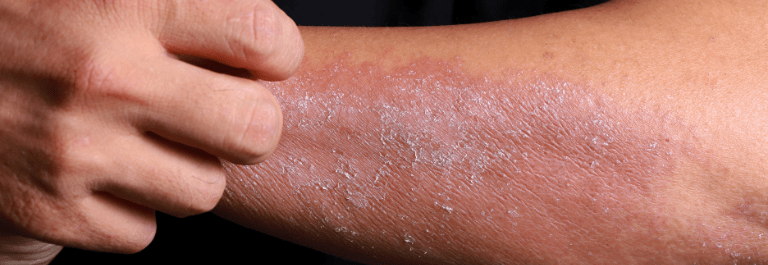
Eczema (also known as atopic dermatitis) is an inflammatory skin condition linked to a damaged skin barrier. It prevents the skin from holding moisture, leading to dry skin, scaly skin, itchy rash, and sometimes fluid-filled blisters.
-
Triggers: fabrics like polyester, sweat, stress, allergens, harsh soaps, or an allergic reaction. Using a gentle detergent for sensitive skin can help reduce fabric-related irritation.
-
Symptoms: redness, skin rash, itch, rough patches, or infection in severe cases.
-
Who gets it: can appear at any age, though it often starts in childhood and may flare alongside other skin conditions.
Unlike keratosis pilaris bumps, eczema patches are often itchy, inflamed, and uncomfortable, requiring ongoing treatment.

Keratosis Pilaris vs Eczem
| Feature | Keratosis Pilaris | Eczema |
|---|---|---|
| Appearance | Small rough bumps, often called "chicken skin" | Dry, inflamed, itchy patches |
| Itching | Usually mild or absent | Often intense |
| Common Locations | Upper arms, thighs, cheeks, buttocks | Hands, face, neck, arms, legs |
| Cause | Keratin buildup around hair follicles | Skin barrier dysfunction and inflammation |
| Redness | Mild | Often significant during flares |
| Contagious | No | No |
| Treatment | Gentle exfoliation and moisturizing | Moisturizing, trigger management, and eczema treatments |
When your skin feels rough, especially during those colder, dry months, it can be hard to tell what’s really going on. Two common culprits are Keratosis Pilaris and Eczema (Atopic Dermatitis). While they share some similarities, there are key differences worth knowing:
Keratosis Pilaris
-
Appearance: Small, rough bumps that people often call “chicken skin.”
-
Cause: A buildup of keratin that plugs pores and hair follicles.
-
Symptoms: Usually painless, but the bumps can make skin feel uneven.
-
Treatment focus: Gentle exfoliation and deep hydration to smooth things out.
Eczema (Atopic Dermatitis)
-
Appearance: Red rashes, inflamed or scaly patches, and sometimes fluid-filled spots.
-
Cause: A weakened skin barrier combined with an overactive immune response.
-
Symptoms: Very itchy, often uncomfortable, and can even become infected if scratched too much.
-
Treatment focus: Strengthening the skin barrier and reducing inflammation.
Can You Have Keratosis Pilaris and Eczema at the Same Time?
Yes. Although keratosis pilaris and eczema are different skin conditions, some people experience both. In fact, keratosis pilaris is more common in individuals with dry skin and a history of eczema.
When both conditions are present, skin may feel rough, dry, itchy, and irritated. Supporting the skin barrier with gentle skincare and regular moisturizing may help improve overall skin comfort.
Is Keratosis Pilaris a Type of Eczema?
No. Keratosis pilaris and eczema are different skin conditions.
Keratosis pilaris occurs when keratin builds up around hair follicles, creating small rough bumps often referred to as "chicken skin." Eczema is a chronic inflammatory skin condition that causes dry, itchy, and irritated patches of skin.
Although they are different conditions, some people experience both keratosis pilaris and eczema at the same time, especially those with dry or sensitive skin.
Why Is Keratosis Pilaris Called "Chicken Skin"?
Keratosis pilaris is often called "chicken skin" because it causes small rough bumps that resemble goosebumps or the texture of chicken skin. These bumps commonly appear on the upper arms, thighs, cheeks, and buttocks.
Unlike eczema, keratosis pilaris is not usually intensely itchy or inflamed, although the two conditions can sometimes look similar.
Natural Ways to Care for Sensitive Skin Conditions
Although there’s no cure for either eczema or keratosis pilaris, the good news is there are plenty of ways to improve the look of your skin and soothe everyday symptoms. Here are some tried-and-true tips:
1. Moisturize Often
Keeping skin hydrated is one of the most important steps for managing both keratosis pilaris and eczema. Moisturizers help reduce dryness, improve skin barrier function, and soften rough, flaky skin.
For people with eczema, regular moisturizing may help reduce itching and irritation by supporting the skin's natural protective barrier. For those with keratosis pilaris, moisturizers can help improve skin texture and reduce the appearance of rough, bumpy patches.
Look for gentle, fragrance-free moisturizers designed for sensitive skin. Applying moisturizer immediately after bathing, while skin is still slightly damp, can help lock in moisture and keep skin feeling comfortable throughout the day.
Many people find that using an eczema moisturizer from our collection consistently is one of the simplest ways to improve both skin comfort and overall skin appearance.
2. Exfoliate Gently
For keratosis pilaris, gentle exfoliation removes dead skin cells that clog hair follicles. Many dermatologists suggest chemical exfoliants like lactic acid, salicylic acid, glycolic acid, or alpha hydroxy acids (AHAs). These improve rough bumpy skin on the upper arms, thighs, and buttocks. Be careful to exfoliate gently if you also have eczema, as overdoing it can make symptoms worse.
3. Take Lukewarm Baths
Hot water strips oils and damages the skin barrier, making both eczema and keratosis pilaris worse. Stick to short, lukewarm baths and choose a gentle eczema soap that won't further irritate sensitive skin.
4. Choose Skin-Friendly Fabrics
When it comes to sensitive skin, what you wear makes a big difference. Soft, breathable fabrics, like organic cotton, silk, or our specially designed Remedywear fabric (made with TENCEL and embedded with zinc), are gentle against the skin and help reduce irritation. On the flip side, rough or scratchy fabrics can rub the wrong way and even trigger flare-ups.
Choosing skin-friendly clothing gives your skin a chance to breathe, heal, and stay comfortable day to day.

Bottom Line
Both keratosis pilaris and eczema are common skin conditions, but they affect the skin differently. Keratosis pilaris bumps are usually painless and caused by excess keratin, while eczema causes an rash, scaly skin, and ongoing inflammation.
With the right skin care routine, including natural moisturizers, gentle exfoliation, and soothing cleansers, you can reduce discomfort, improve the appearance of affected skin, and support a healthier skin barrier.
Frequently Asked Questions
What is the difference between keratosis pilaris and eczema?
Keratosis pilaris is caused by a buildup of keratin around hair follicles, creating small rough bumps often called "chicken skin." Eczema is a chronic inflammatory skin condition that typically causes dry, itchy, irritated patches of skin. Although they may look similar, they are different conditions with different causes.
Is keratosis pilaris a type of eczema?
No. Keratosis pilaris and eczema are separate skin conditions. However, both are more common in people with dry or sensitive skin, and some people experience both at the same time.
Can you have keratosis pilaris and eczema together?
Yes. It is possible to have both keratosis pilaris and eczema. When this happens, skin may appear rough, dry, itchy, and irritated, making it difficult to distinguish between the two conditions without a proper evaluation.
Why is keratosis pilaris called "chicken skin"?
Keratosis pilaris is often called "chicken skin" because the small rough bumps resemble goosebumps or the texture of chicken skin. The bumps most commonly appear on the upper arms, thighs, cheeks, and buttocks.
Can eczema look like keratosis pilaris?
Sometimes. Both conditions can cause dry, rough, and irritated skin. However, eczema is typically much itchier and more inflamed, while keratosis pilaris usually appears as small rough bumps around hair follicles.
Is keratosis pilaris itchy like eczema?
Keratosis pilaris may occasionally cause mild itching, but eczema is generally much itchier and is more likely to interfere with sleep and daily comfort.
What helps improve both keratosis pilaris and eczema?
Keeping skin moisturized, avoiding harsh irritants, taking lukewarm baths, and supporting the skin barrier can help improve overall skin comfort. People with eczema may also benefit from identifying and avoiding personal triggers.