
Updated June 4, 20226
Why Is My Eczema Skin Peeling?
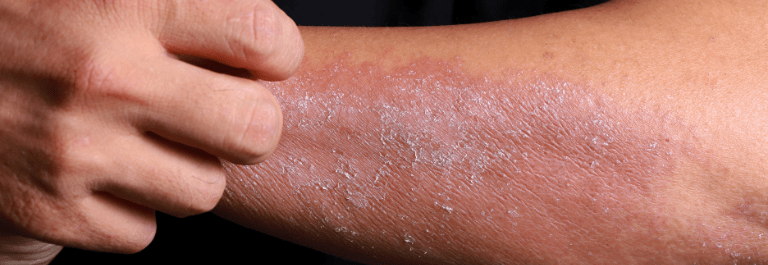
Peeling eczema skin may be caused by:
- Dry, damaged skin barrier
- Healing after an eczema flare
- Scratching and irritation
- Allergic reactions or contact dermatitis
- Secondary skin infections
- Overuse of irritating skincare products
Most cases improve with gentle moisturizing, avoiding triggers, and repairing the skin barrier.
If you’ve noticed peeling skin as part of your eczema, you’re definitely not alone. Many people with atopic dermatitis experience redness, scaling, and skin peeling during flare-ups. Most of the time, this peeling is mild, but in rare cases, it can be a sign of something more serious, like exfoliative dermatitis.
Knowing the difference between everyday eczema symptoms and when it’s time to see a doctor is important. Let’s break it down.
What is Exfoliative Dermatitis?
Exfoliative dermatitis (dermatitis exfoliativa) is a rare but potentially life-threatening skin condition. It causes widespread skin peeling and redness, sometimes affecting more than 90% of the body.
It can be triggered by:
-
Preexisting conditions like psoriasis, seborrheic dermatitis, or contact dermatitis
-
Drug reactions (to steroids, antibiotics, chemotherapy, etc.)
-
Underlying cancers such as cutaneous T-cell lymphoma
-
Rare skin disorders like pityriasis rubra pilaris
-
Or sometimes, no clear cause at all
Learn more about eczema triggers in this blog post.
Because of its severity, exfoliative dermatitis always requires prompt medical care. Doctors will usually run tests, review your history, and sometimes admit patients to the hospital for close monitoring.
Why is My Eczema Peeling?
In atopic dermatitis, the skin barrier loses its body’s ability to hold in moisture, causing dryness, scaling, and peeling. But in exfoliative dermatitis, the turnover of skin cells accelerates abnormally. Instead of renewing every few weeks, cells shed too rapidly, leaving affected skin raw and vulnerable.
Symptoms and Risks of Exfoliative Dermatitis
-
Peeling skin across large areas of the body
-
Redness, erythema, and scaling
-
Itching and burning sensations
-
Hair loss or brittle nails
-
Chills, fever, and fluid imbalance
-
Risk of complications including antibiotic-resistant infection and cancer-related triggers
Because it is a life threatening condition, it is important to treat exfoliative dermatitis with medical supervision.
How Do Doctors Treat Exfoliative Dermatitis?
If exfoliative dermatitis is suspected, immediate medical attention is required. Hospital admission is common, as patients may develop complications quickly.
Appropriate treatment may include:
-
Bed rest and careful monitoring
-
Eczema cream and emollients to hydrate the skin and restore skin barrier function
-
Wound care for open or fragile areas
-
Oral antihistamines to reduce itch and improve comfort
-
Antibiotics if secondary infection is present
-
Management of electrolyte balance and fluid loss
-
Avoiding potential triggers such as irritating medications or harsh products
-
Long-term follow up to prevent recurrence
Your doctor will assess your clinical findings and medical history to determine the underlying cause and recommend the right treatment plan.

Natural Ways to Support Healing Peeling Eczema Skin
Peeling skin is often a sign that the skin barrier has become damaged from inflammation, dryness, scratching, or repeated irritation. While treating the underlying cause is important, there are several steps you can take to help support healing and improve skin comfort.
Keep Skin Well Moisturized
One of the most effective ways to manage peeling eczema skin is to keep the skin hydrated. Applying a thick moisturizer regularly can help reduce moisture loss, support skin barrier repair, and soften flaky skin. Look for fragrance-free natural creams designed for sensitive or eczema-prone skin.
Avoid Harsh Soaps and Fragrances
Many soaps, cleansers, and skincare products contain ingredients that can further dry or irritate already damaged skin. Choose gentle, fragrance-free products and avoid scrubbing peeling areas.
Reduce Scratching and Friction
Scratching can worsen inflammation and damage the skin barrier, leading to increased peeling and irritation. Keeping nails short, wearing soft clothing, and using strategies to reduce itching may help prevent further skin damage.
Our collection of eczema clothing offers mittens, gloves, tops, bottoms and more, to help with daytime or overnight relief and scratch prevention.
Identify and Avoid Eczema Triggers
Common eczema triggers include allergens, irritants, stress, weather changes, and certain fabrics. If peeling skin occurs alongside frequent flares, identifying and minimizing triggers may help reduce ongoing inflammation.
Consider Wet Wrap Therapy for Severe Dryness
For severe dryness and flaking, wet wrap therapy may help improve skin hydration and support healing. This technique involves applying moisturizer to the skin and covering the area with a damp layer followed by a dry layer. Wet wraps are commonly used during eczema flares and can be especially helpful overnight.
Products That May Help Support the Skin Barrier
Some people find that products containing zinc, calendula and pine tar can be helpful as part of their skincare routine when used in moisturizing balms and moisturizers.
Specialty, therapeutic garments for eczema like Remedywear with TENCEL and Zinc, can be a great idea for relief as well.
While these products do not cure eczema, they may help soothe dry, irritated skin and support the healing process when used alongside a consistent eczema care plan.
When to See a Doctor
If your peeling eczema skin is spreading, linked to generalized exfoliative dermatitis, or accompanied by serious complications such as fever, infection, or severe redness, it’s important to consult with your doctor or healthcare providers immediately. Dermatitis exfoliativa may require hospitalization, antibiotics, fluid management, wound care, and close follow-up.
Remember: While natural remedies like calendula oil, manuka cream, beef tallow cream, pine tar soap, and Remedywear sleeves can soothe symptoms and improve your skin's appearance, they are not a replacement for appropriate treatment when life-threatening complications are a risk.

Frequently Asked Questions
Is peeling skin a sign that eczema is healing?
Sometimes. As inflamed skin heals, damaged skin cells may shed and peel. However, ongoing peeling can also indicate dryness, irritation, or an active flare.
Why does eczema peel after moisturizing?
Some peeling may occur as damaged skin sheds during healing. If peeling worsens, check for ingredients that may be irritating your skin.
Is peeling eczema a fungal infection?
Not usually. However, fungal infections, bacterial infections, and eczema can sometimes appear similar. See a healthcare professional if symptoms worsen or do not improve.
Should I peel flaking eczema skin?
No. Pulling away peeling skin can further damage the skin barrier and increase irritation.