
Updated July 13, 2026
When eczema becomes severely dry, inflamed, or unbearably itchy, regular moisturizers sometimes are not enough. Wet wrap therapy is a dermatologist-recommended technique that can quickly calm eczema flare-ups by locking moisture into the skin, reducing itch, and helping repair the skin barrier.
Wet wrapping involves applying a moisturizer or prescribed topical treatment to the skin, covering it with a damp layer of clothing or bandages, and then adding a dry outer layer. While the idea may sound simple, using the right products and following the correct steps can make a significant difference in how well wet wrap therapy works.
Whether you're caring for a baby with eczema, helping your child sleep through the night, or trying to calm your own stubborn flare-up, this guide will walk you through everything you need to know.
In This Guide You'll Learn
- What wet wrap therapy is and how it works
- When to use wet wraps for eczema
- How to do wet wrap therapy step by step
- The best fabrics and products to use
- Common wet wrap mistakes to avoid
- Wet wrap therapy for babies, children, and adults
- Answers to frequently asked questions
What Is Wet Wrap Therapy
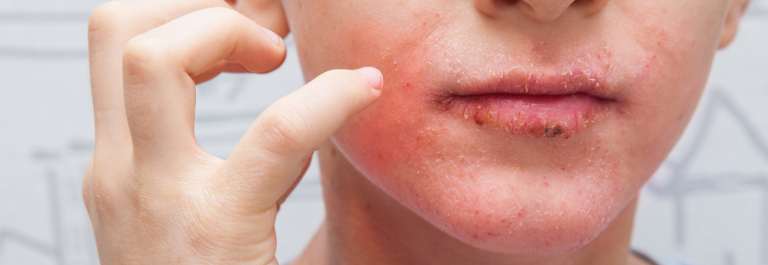
Eczema can be debilitating, leading to intensely itchy, scaly, and inflamed skin. For those with moderate to severe eczema one of the best treatments is wet wrap therapy, sometimes called wet wrapping, wet bandage therapy, wet dressings, or eczema wet wraps. This is a treatment used to calm severe eczema flare-ups that involves using wet wraps, or special clothing or dressings, to wrap areas of the skin in order to hydrate, soothe and heal the skin.
The therapy works by keeping the affected skin moist, reducing inflammation and enhancing the absorption of topical treatments like topical corticosteroids or prescription topical medication.
Wet wrap therapy can relieve itching and reduce scratching which, when left untreated, can lead to further irritation or even skin infections.

Wet Wrap Therapy vs. Dry Wrap Therapy
Wet wrap therapy and dry wrap therapy both help protect the skin barrier, but they are used for different purposes.
| Wet Wrap Therapy | Dry Wrap Therapy |
|---|---|
| Uses a damp inner layer covered by a dry outer layer | Uses a dry therapeutic garment without dampening it |
| Best for moderate to severe eczema flare-ups | Best for everyday eczema management and itch prevention |
| Provides intensive hydration | Helps protect the skin barrier throughout the day or night |
| Often used for several days during a flare | Can be worn daily as part of an eczema routine |
| Commonly recommended after bathing | Ideal between flare-ups or for ongoing skin protection |
Both approaches can play an important role in managing eczema. Wet wrap therapy provides intensive hydration during active flare-ups, while dry wrapping offers ongoing comfort and protection to help maintain healthier skin.
Learn more about Dry Wrap Therapy.
The Benefits of Wet Wrap Therapy
Wet wrapping offers several advantages for those suffering from severe atopic dermatitis. Here's why we recommend wet wrap therapy:
Moisturizes the Skin
The wet dressings keep the skin moist which is key to managing eczema. Moist skin reduces the itchiness and discomfort of dry scaly skin.
Enhanced Absorption
The wet layer helps the absorption of eczema creams applied to the skin, making the treatments more effective.
Prevents Scratching
By covering the skin with wet wraps and a dry layer this prevents direct contact with the affected area and reduces the risk of scratching which can lead to a skin infection.
Soothes Itchy Skin
The coolness of the wet wrap relieves itching and provides much needed comfort especially at night when itching can be the worst.
When should you wet wrap?
Wet wrap therapy works best during moderate to severe eczema flare-ups when the skin is extremely dry, inflamed, itchy, or difficult to keep moisturized. It is often recommended after bathing because the skin is still hydrated and better able to absorb moisturizers or prescribed topical medications.
Wet wraps may be helpful if you are experiencing:
- Severe itching that keeps you or your child awake at night
- Dry, cracked, or rough patches that are not improving with moisturizer alone
- Widespread eczema flare-ups on the arms, legs, hands, or feet
- Frequent scratching that is damaging the skin
- Skin that needs extra hydration to support the healing of the skin barrier
Many people use wet wrap therapy for several nights during a flare-up before returning to their regular eczema skincare routine. If your healthcare provider has prescribed a topical corticosteroid or other medication, they may recommend using it under wet wraps for a short period of time.
When shouldn't you?
Although wet wrap therapy is generally considered safe, it is not appropriate for every situation. Wet wrapping should not be used over infected skin unless your healthcare provider specifically advises you to do so.
Avoid wet wrap therapy if you have:
- Signs of a skin infection, including pus, increasing redness, warmth, swelling, or fever
- Open wounds that are actively bleeding
- A known allergy or sensitivity to the fabric or skincare products being used
- Instructions from your healthcare provider not to use occlusive dressings with your medication
If your eczema is severe, widespread, or not improving after several days of treatment, it is important to speak with your healthcare provider or dermatologist. They can help determine whether wet wrap therapy is appropriate and whether additional treatment may be needed.
*Always speak to your doctor before trying wet wrapping becasue the treatment can amplify medications and make them too strong for some individuals.
Tip: Wet wraps should feel cool and comfortable, not tight or painful. If they become uncomfortable, cause increased irritation, or make itching worse, remove them and consult your healthcare provider.
Can You Wet Wrap Babies and Children?
Yes. Wet wrap therapy is commonly recommended for babies and children with moderate to severe eczema when supervised by a healthcare provider. Using soft, breathable fabrics such as cotton or TENCEL™ can help improve comfort while reducing scratching during sleep. Because children's skin absorbs topical medications more readily than adults, always follow your healthcare provider's instructions when using prescription creams under wet wraps.

Step-By-Step Instructions on How to Wet Wrap Eczema
Wet wrap therapy starts with a 15-20 minute luke warm bath. Do not use soap during this bath as it can irritate sensitive eczema affected skin.
After the bath gently pat dry the skin and immediately apply a natural eczema cream to lock in moisture and protect and hydrate the skin.
Next dampen form fitting wet wraps and apply to the treated areas. Many people prefer to use special clothing like our Remedywear™ bandages. Made from TENCEL and embedded with zinc fibers they provide an extra anti-inflammatory boost and are gentle on sensitive skin.
Once the wet layer is on gently wrap with a dry layer of looser fitting clothing preferably 100% cotton clothing to keep the moisture in.
We recommend leaving the slightly damp wraps on for at least 2 hours or overnight so the damp layer stays moist.
Once the wraps are removed reapply a thick layer of moisturizer to keep the skin hydrated and protected. This will help get the most out of wet wrap therapy for eczema relief and skin healing.

Common Wet Wrap Therapy Mistakes
Wet wrap therapy is simple, but a few common mistakes can make it less effective or even irritate the skin. Here are the biggest ones to avoid.
Skipping Moisturizer
The purpose of wet wrap therapy is to lock moisture into the skin. Always apply a generous layer of moisturizer or any medication recommended by your healthcare provider before putting on the damp layer.
Using Water That Is Too Hot
Hot water can dry out the skin and trigger itching. Instead, dampen the inner layer with cool or lukewarm water before applying it.
Wringing the Fabric Too Little or Too Much
The damp layer should feel cool and moist, not soaking wet. If it's dripping, it may become uncomfortable or cool the body too much. If it's too dry, it won't provide the same hydrating benefits.
Using Synthetic Fabrics
Synthetic materials may trap heat and increase irritation. Soft, breathable natural fabrics or therapeutic garments designed for eczema are often more comfortable during wet wrap therapy.
Wrapping Too Tightly
Wet wraps should fit snugly enough to stay in place but never feel tight or restrict movement. Gentle contact with the skin is all that's needed.
Leaving Wet Wraps On Too Long
Wet wraps are commonly worn for a few hours or overnight, depending on your healthcare provider's recommendations. Replace them if they become dry, dirty, or uncomfortable.
Best Products for Wet Wrap Therapy
Choosing the Right Moisturizer
The moisturizer you use under your wet wraps is just as important as the wraps themselves. Look for products that are fragrance-free, dye-free, and formulated for eczema-prone or sensitive skin. Rich creams, nourishing balms, and natural oils can all work well, depending on the severity of your flare-up.
- Creams are a great everyday choice for mild to moderate eczema and provide lasting hydration without feeling overly greasy.
- Balms are thicker and create a protective barrier that helps lock in moisture, making them ideal for very dry, cracked, or stubborn areas.
- Natural oils can help soften dry skin and support the skin barrier. They are often preferred for babies, children, or people with extremely sensitive skin.
If you're unsure which moisturizer is right for you, browse our collections of eczema creams, eczema balms, and eczema oils to find options made for sensitive, eczema-prone skin.
Damp Layer/Wet Wraps: Remedywear™ Wet Wrap Garments
For the damp layer of wet wrap therapy, choose soft, breathable garments that stay comfortably against the skin. Remedywear™ garments, made from TENCEL™ with zinc, are designed specifically for people with eczema and sensitive skin. Their smooth, form-fitting design helps keep the damp layer in place while allowing the skin to remain cool and comfortable throughout treatment.
Unlike many traditional fabrics, TENCEL™ is naturally moisture wicking and breathable, helping reduce overheating during wet wrap therapy. The zinc embedded directly into the fibers provides lasting skin-friendly benefits that won't wash out, making Remedywear garments a comfortable option for babies, children, and adults managing eczema flare-ups.

Dry Layer
The dry outer layer is placed over the damp layer to help keep moisture close to the skin while preventing the wet wraps from drying out too quickly. It also helps keep the damp layer in place, provides warmth, and makes wet wrap therapy more comfortable, especially during overnight treatments.
Choose a soft, breathable outer layer made from natural fabrics whenever possible. Cotton pajamas, leggings, socks, or long-sleeved shirts work well, depending on the area being treated. The dry layer should fit comfortably without being tight, allowing you or your child to move freely while maintaining gentle contact between the damp layer and the skin.
For the most comfort during wet wrap therapy, explore our collection of 100% Cotton Clothing for Eczema designed for sensitive skin.

Wet Wrap Therapy FAQs
How long should wet wraps stay on?
Wet wraps are commonly worn for two to eight hours or overnight, depending on the severity of the eczema and your healthcare provider's recommendations. If the wraps become dry or uncomfortable, remove them sooner and reapply moisturizer if needed.
How often can I use wet wrap therapy?
Many people use wet wrap therapy once or twice a day during severe flare-ups for several days. Once the skin begins to improve, most people return to their regular moisturizing routine. If you're using prescription medications under wet wraps, follow your healthcare provider's instructions.
Can adults use wet wrap therapy?
Yes. Wet wrap therapy can benefit both children and adults with moderate to severe eczema. Although it is commonly recommended for children, many adults use wet wraps to calm stubborn flare-ups and reduce nighttime itching.
Can babies use wet wrap therapy?
Yes, wet wrap therapy is often recommended for babies and young children with eczema, but it should be done under the guidance of a healthcare provider, especially when prescription medications are used. Soft, breathable fabrics help keep babies comfortable while reducing scratching.
Can I use topical steroids under wet wraps?
Sometimes. Healthcare providers may recommend applying a prescription topical corticosteroid under wet wraps for short periods during severe flare-ups. Because wet wraps increase absorption, always follow your healthcare provider's instructions when using prescription medications this way.
Can I sleep in wet wraps?
Yes. Many people wear wet wraps overnight to reduce itching and improve sleep during eczema flare-ups. Make sure the damp layer is moist rather than soaking wet, and wear a comfortable dry outer layer to help keep everything in place.
Do wet wraps work for all types of eczema?
Wet wrap therapy is most commonly used for atopic dermatitis, but it may also help other forms of eczema when recommended by a healthcare provider. It should not be used over infected skin unless your healthcare provider advises otherwise.
What should I wear over wet wraps?
Wear a soft, breathable outer layer made from natural fabrics, such as cotton pajamas or lightweight clothing. The dry layer helps keep the damp layer in place, improves comfort, and slows evaporation so the skin stays hydrated longer.