




Filters

Filters

$
to
$
18 products
Sort by
Sort by
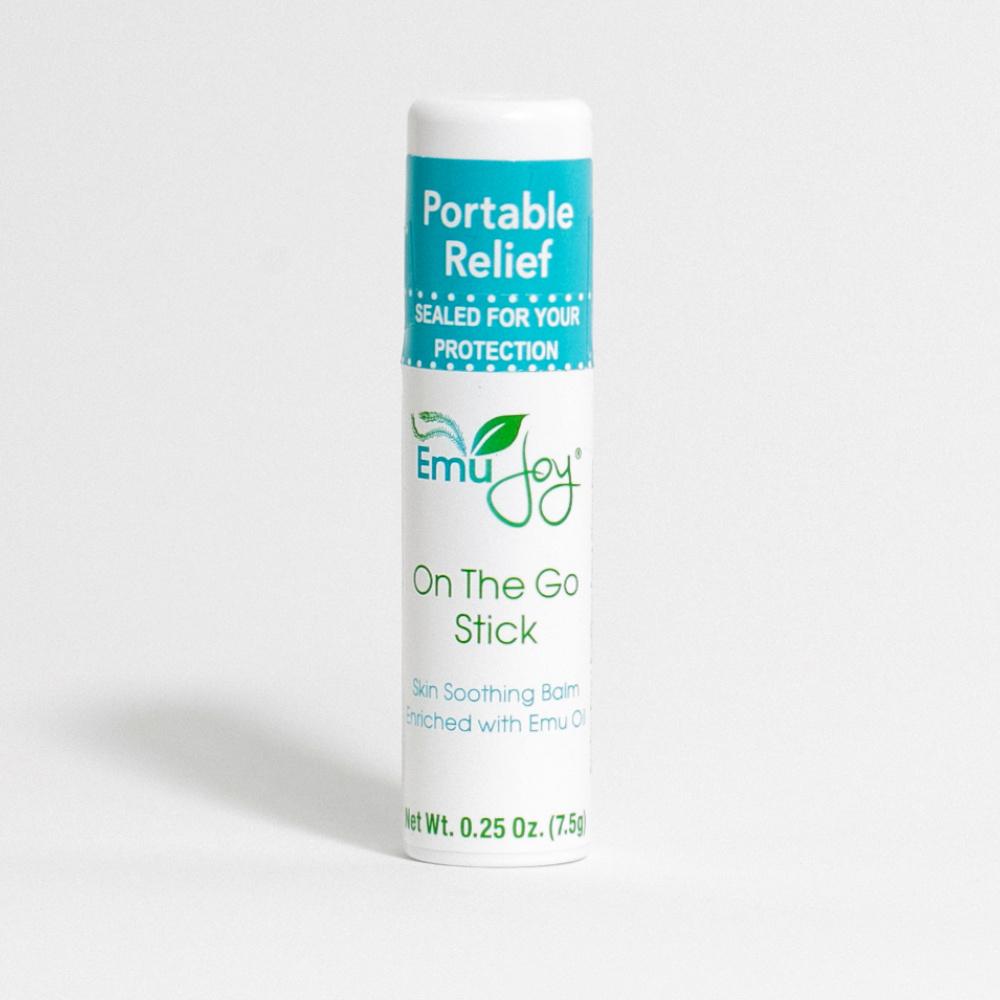
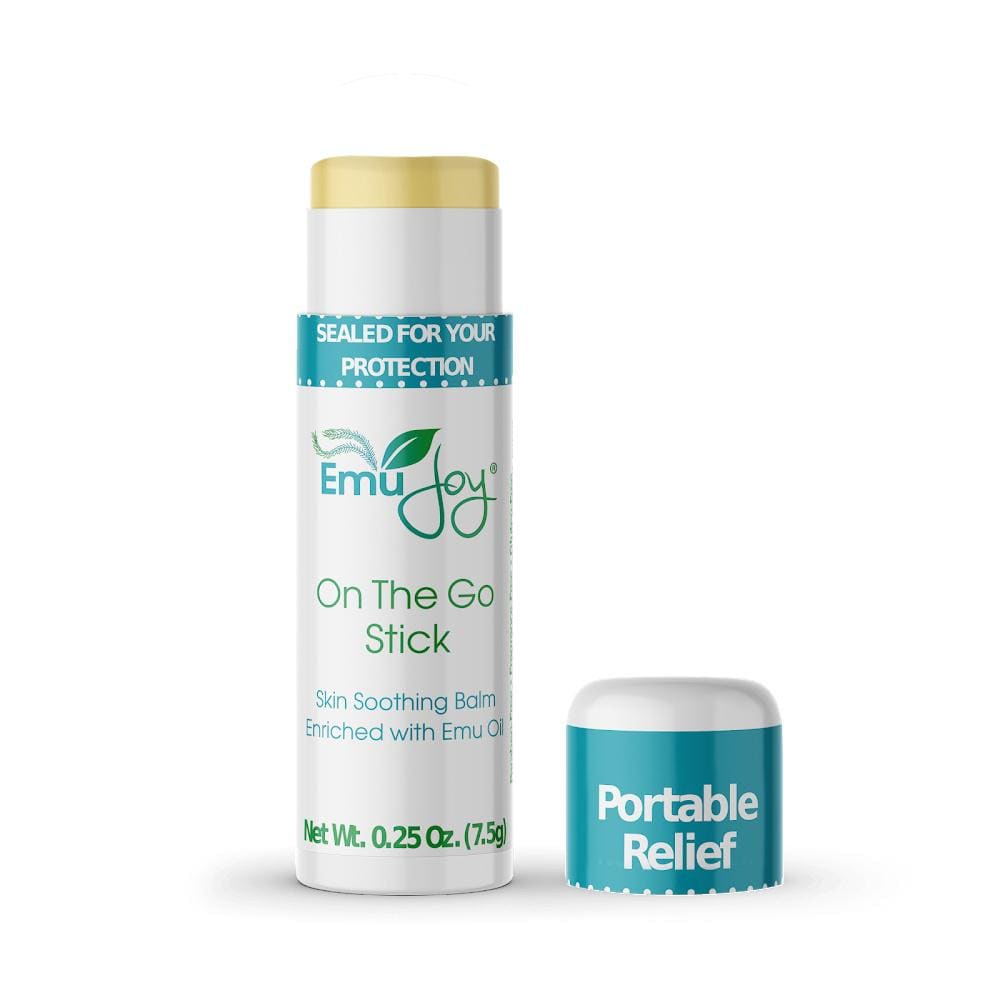
On the Go Skin Soother Stick – Natural Relief for Itchy, Irritated Skin On the Go Skin Soother Stick – Natural Relief for Itchy, Irritated Skin
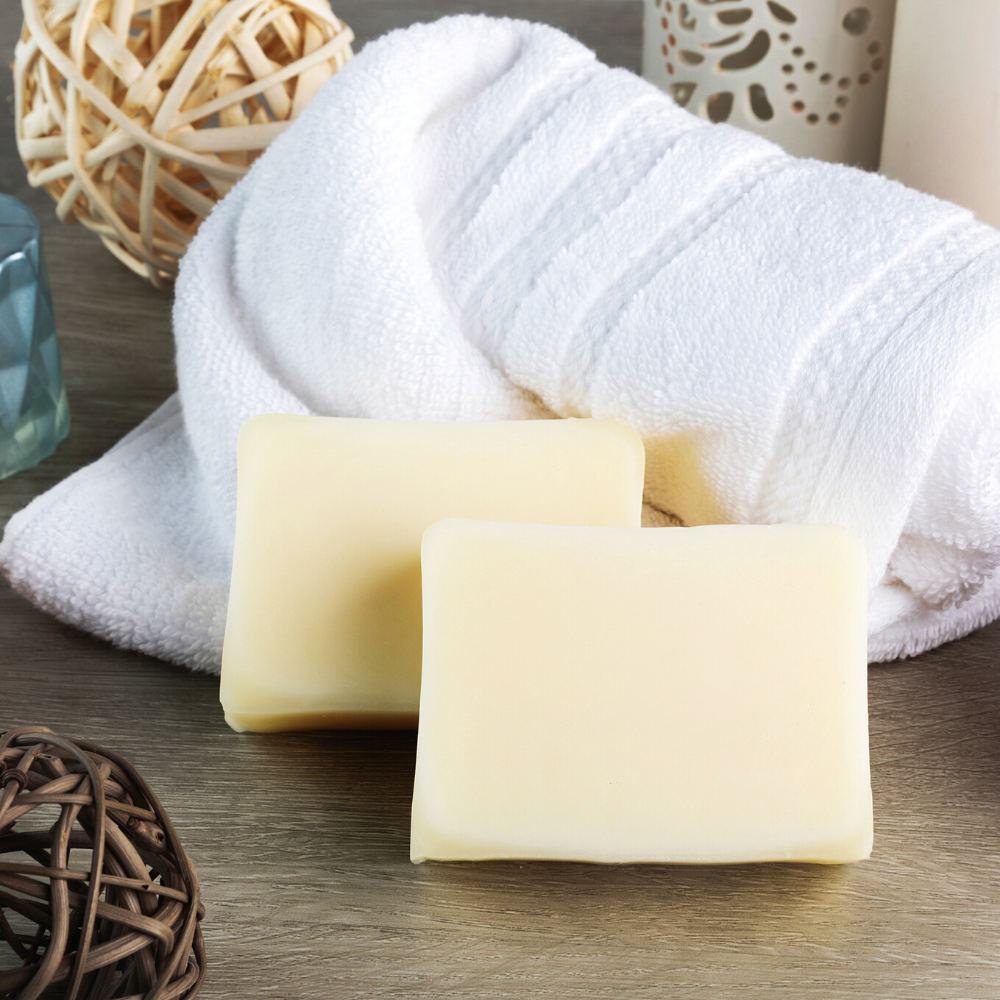
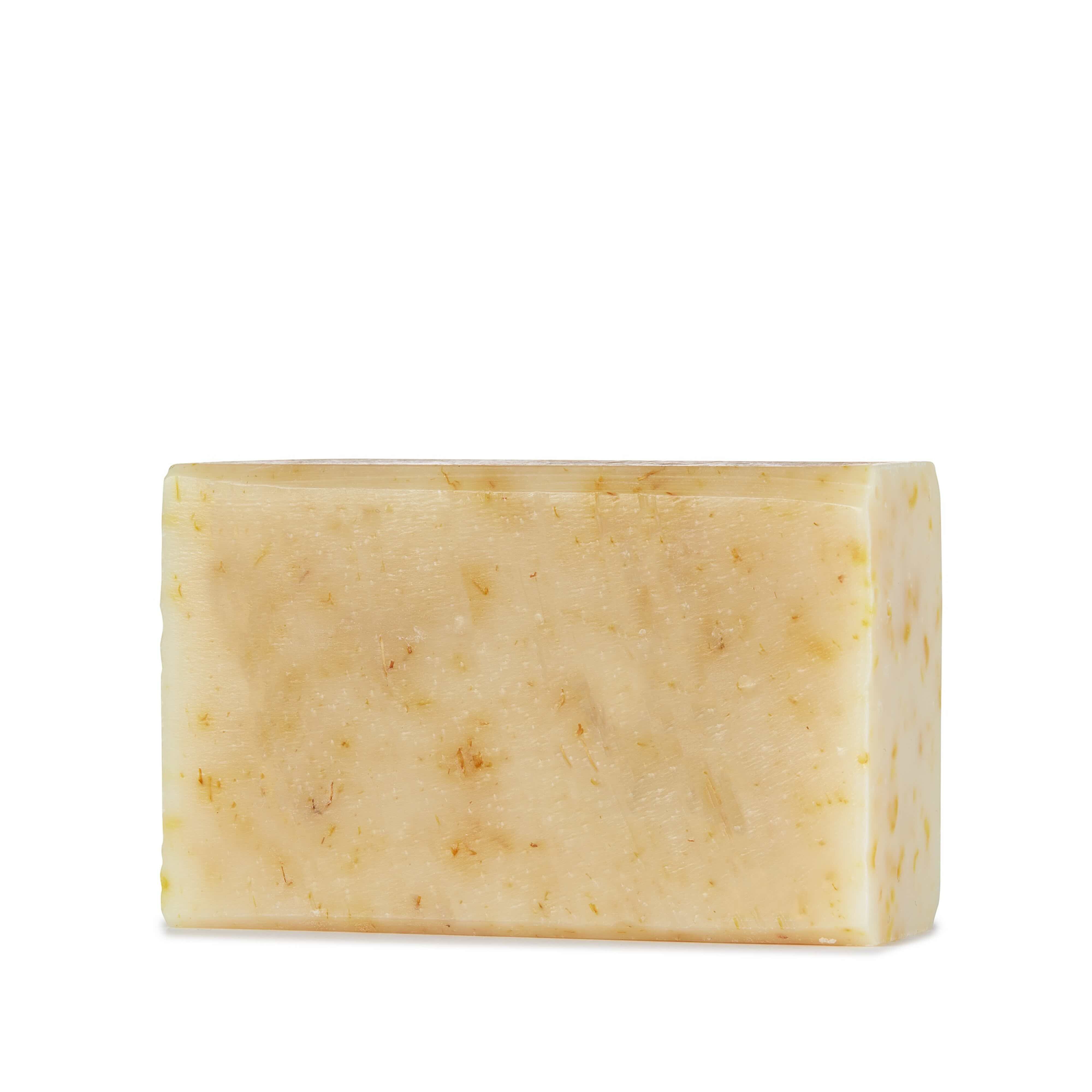
Emu Oil Soap - Gentle and Natural Relief for Eczema-Prone Skin Emu Oil Soap - Gentle and Natural Relief for Eczema-Prone Skin
Gift Card
Gift Card
Sale priceFrom $25.00
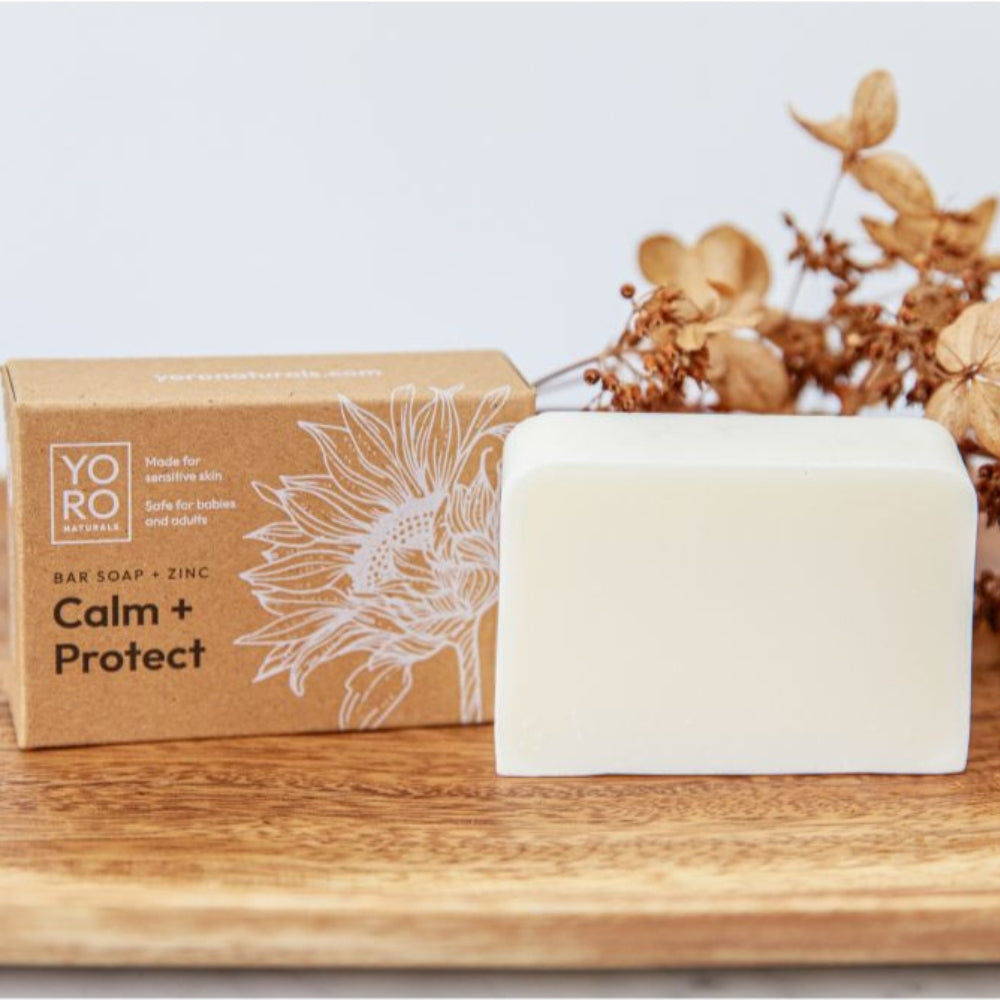
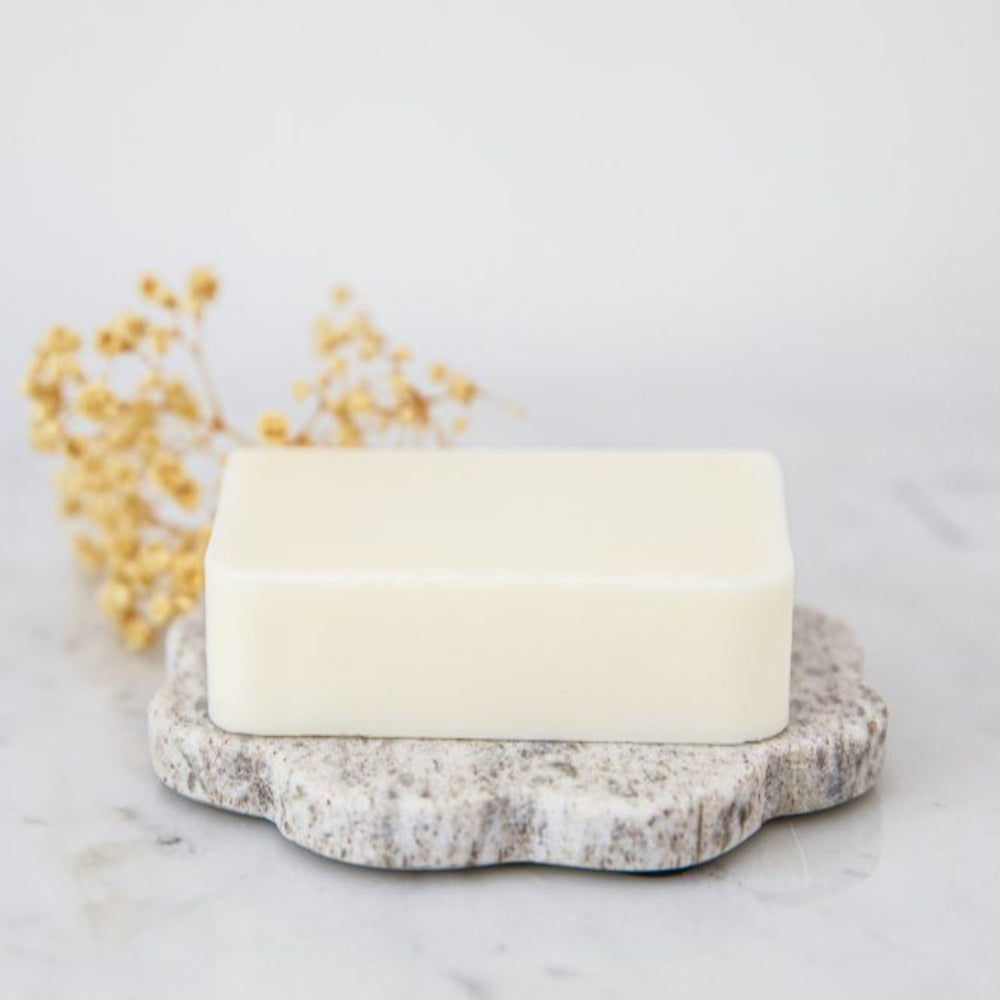
calm protect zinc cleansing bar and packaging on wood board soothes redness and irritation for eczema-prone and sensitive skin fragrance-free 2% zinc oxide calming zinc bar soap plant-based relieves itch-and-flake cycle chronically dry atopic skin non-comedogenic steroid-free
YoRo Naturals Calm + Protect Zinc Soap
Sale price$12.99
Save 20%
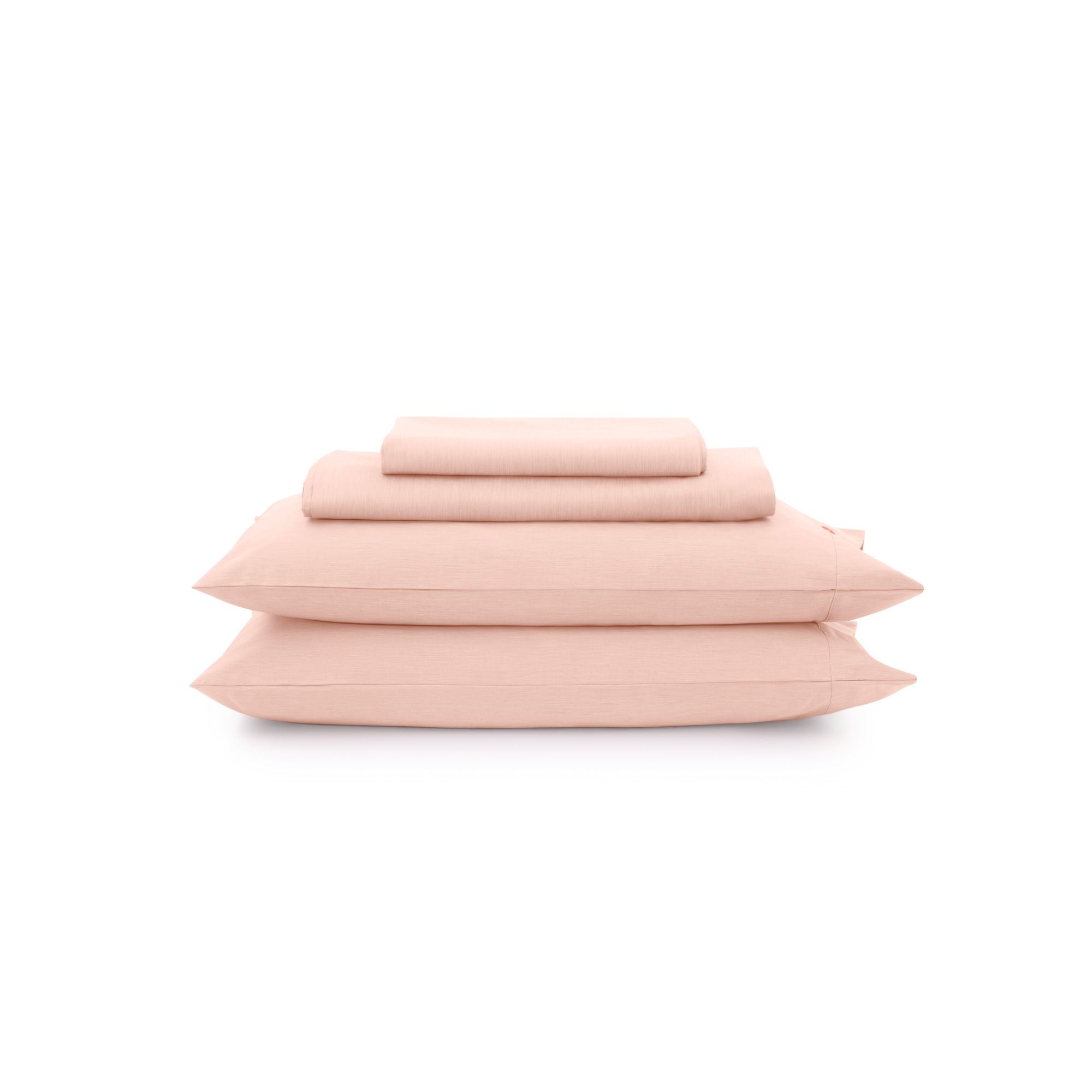
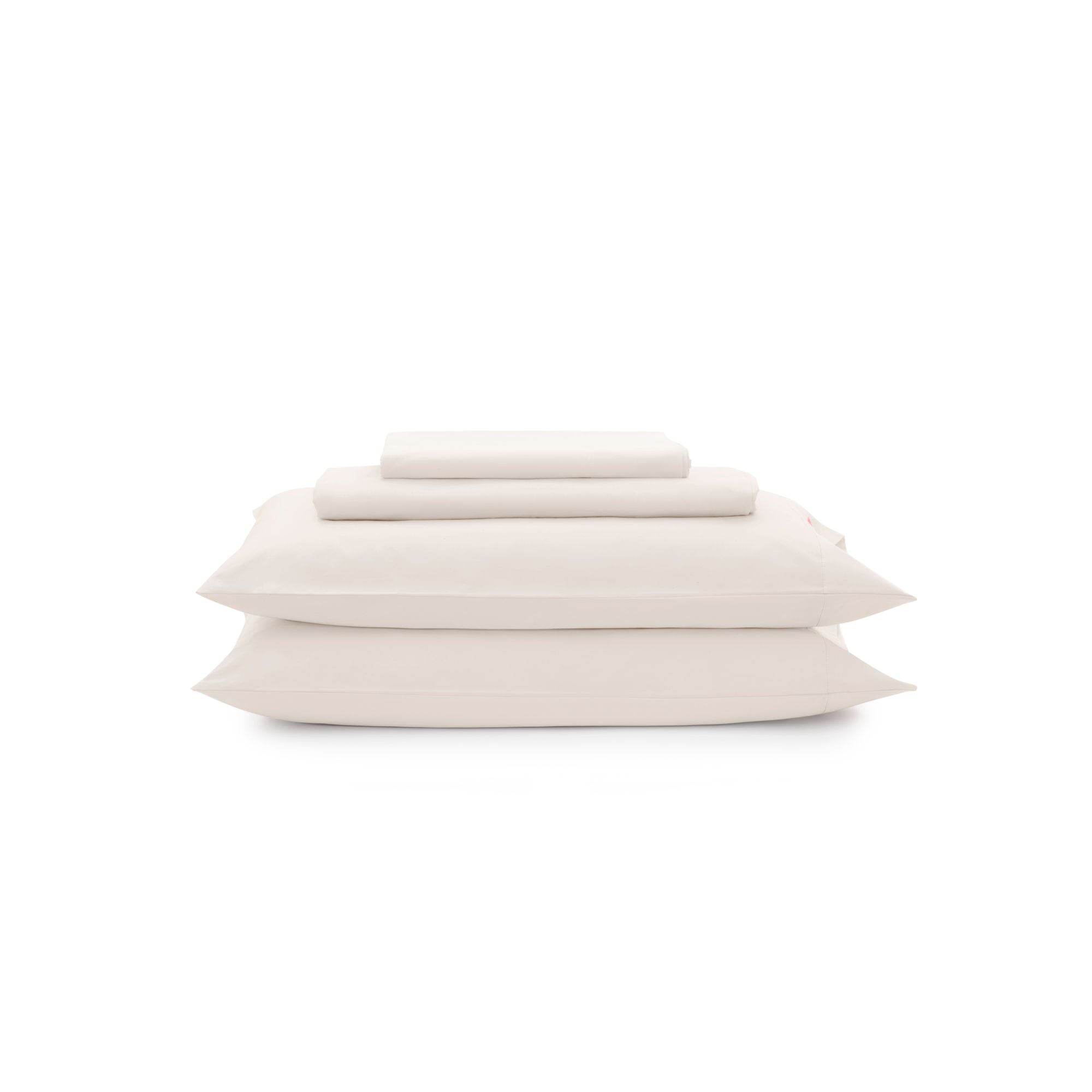
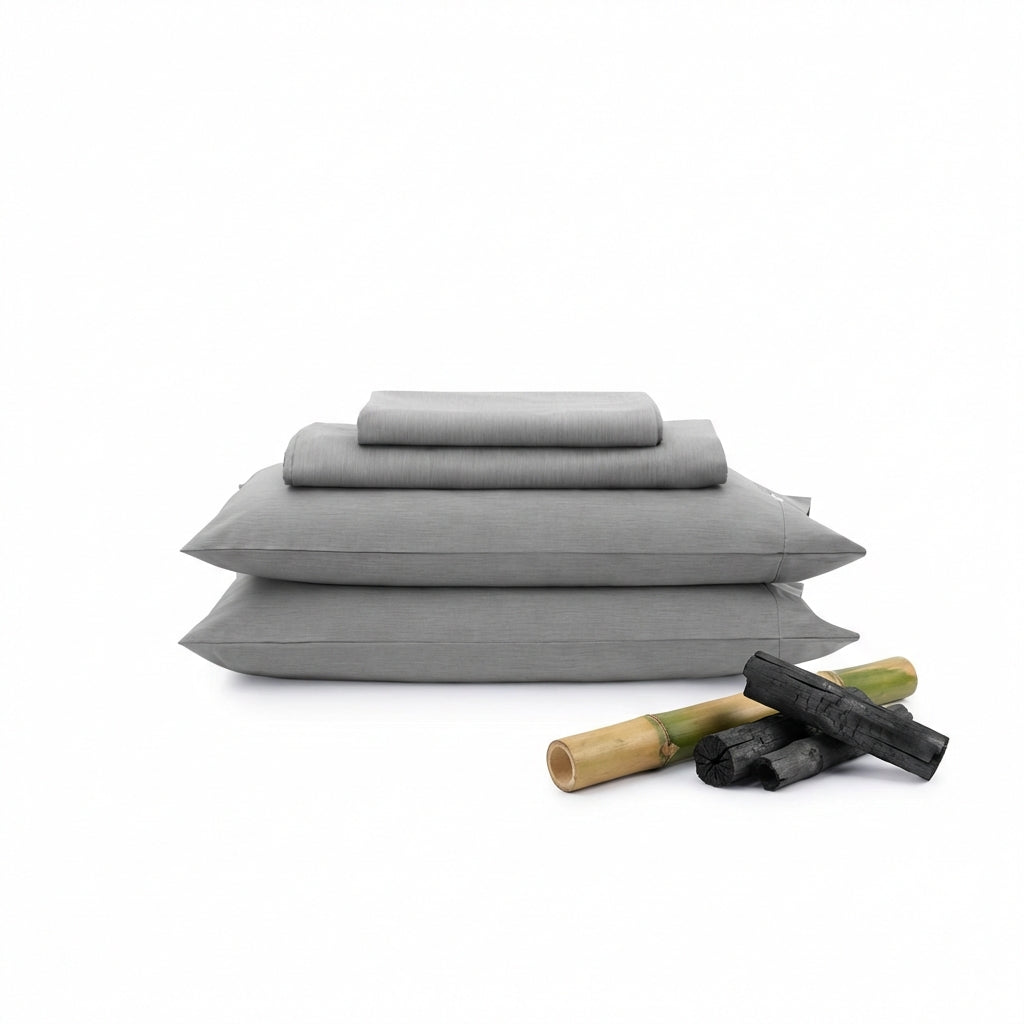
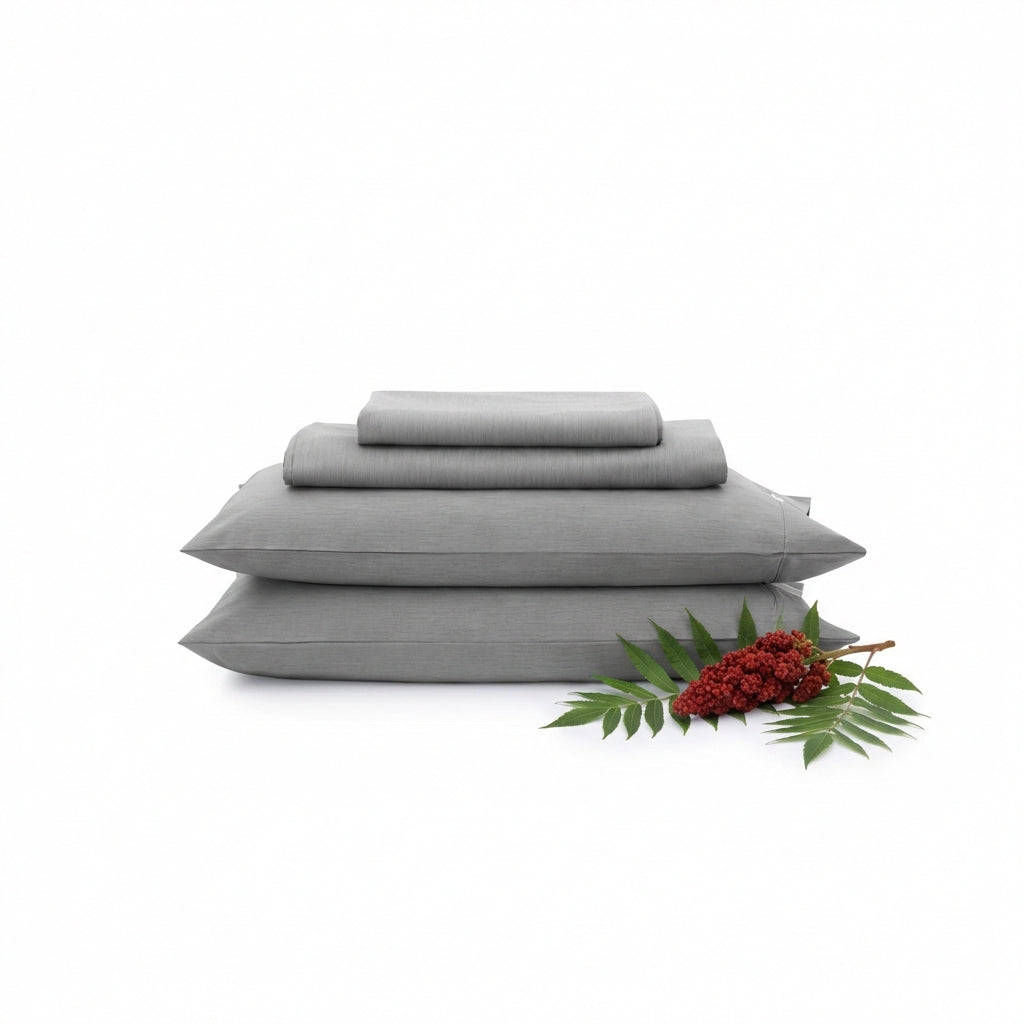
Organic Cotton Sheet Set Organic Cotton Sheet Set
Organic Cotton Sheet Set
Sale priceFrom $287.99 Regular price$359.00
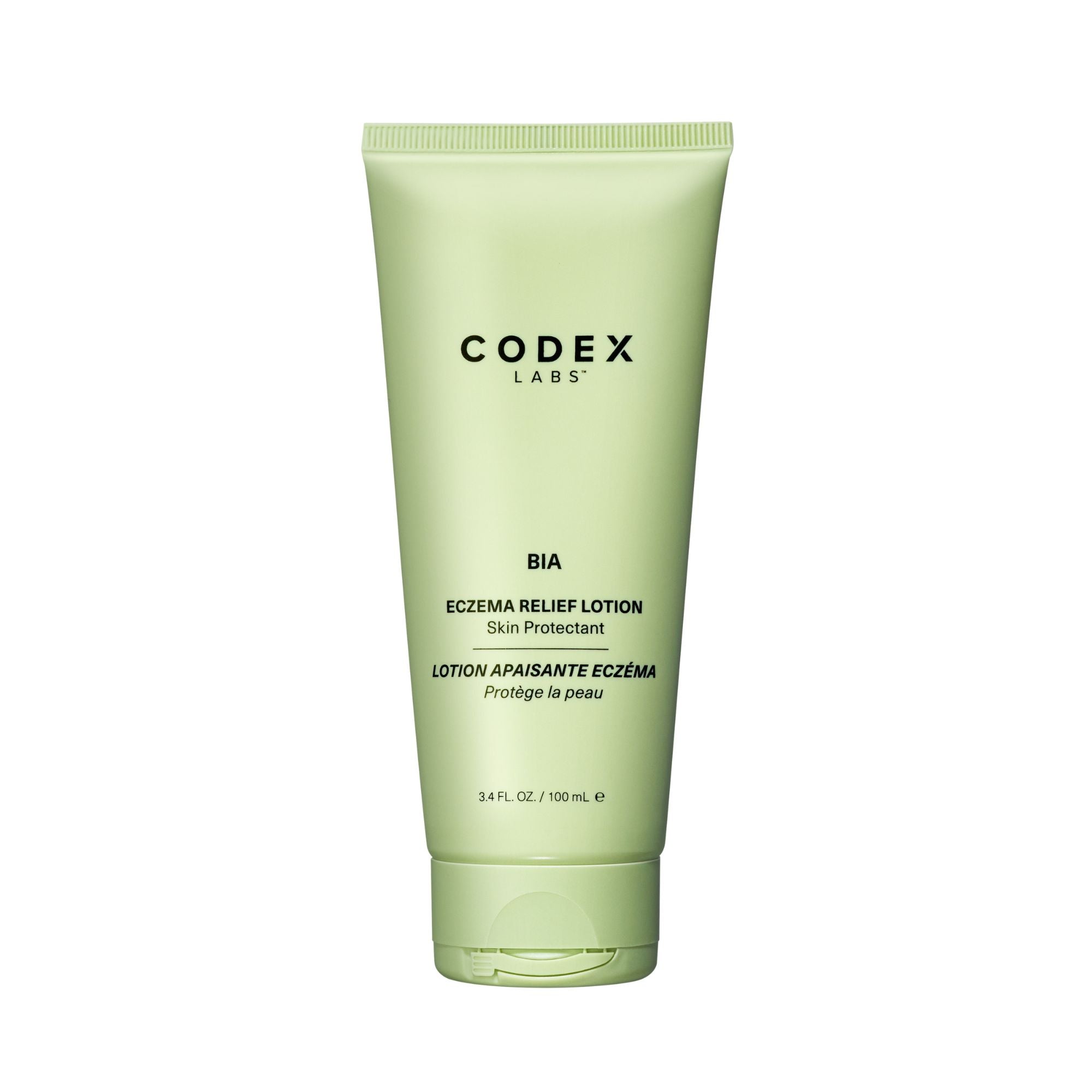
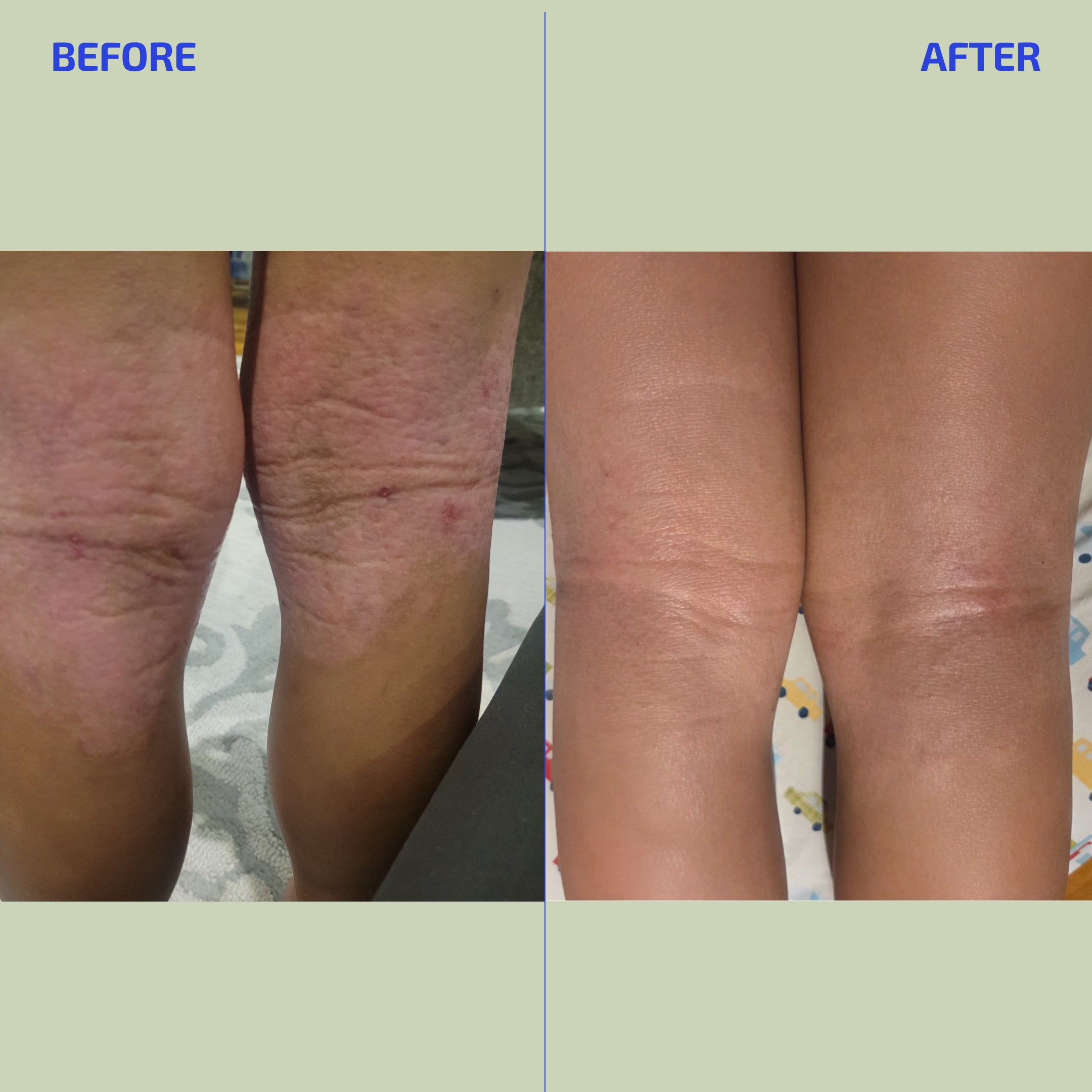
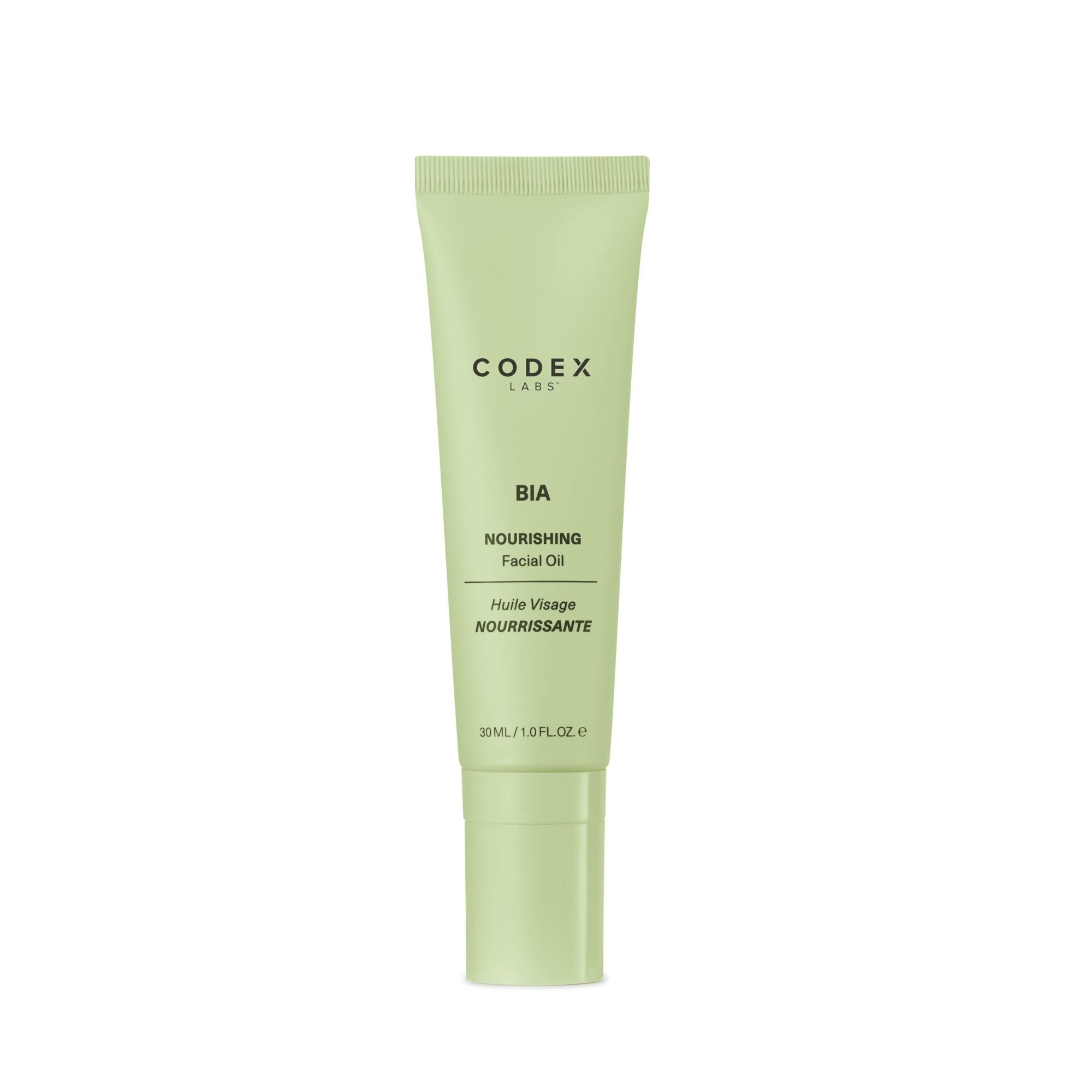
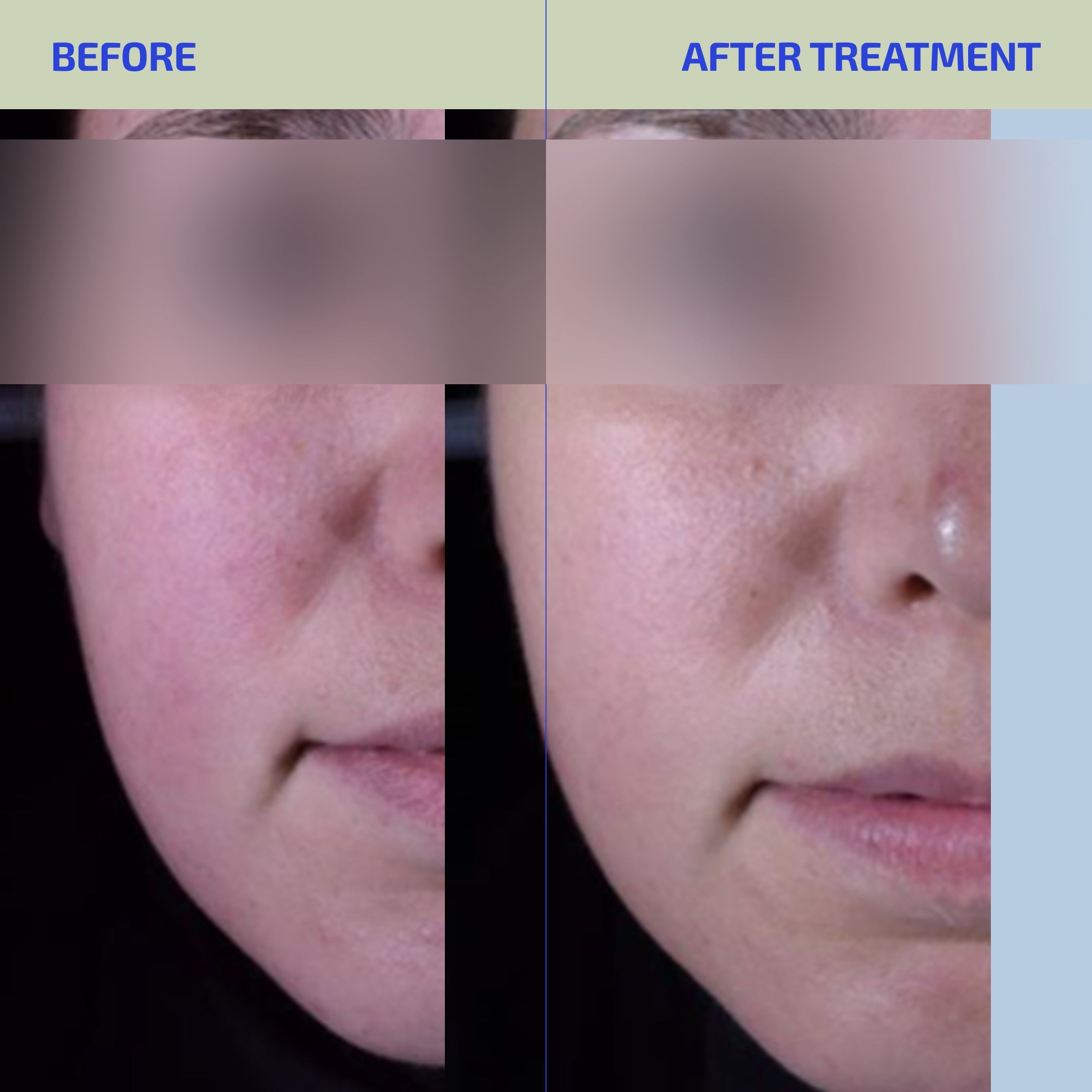
Green tube of Codex Labs BIA Eczema Relief Lotion on a white background Before and after using colloidal lotion comparison of a person's legs showing skin improvement.
Eczema Relief Lotion with Colloidal Oatmeal
Sale price$38.00

What Causes Thick Eczema?

Thick eczema often develops after repeated flare-ups and scratching. As your skin tries to protect itself, it can become thicker and rougher over time, a process healthcare providers sometimes call lichenification. Although the medical term isn't commonly searched, many people describe it simply as thick eczema.

Along with thicker skin, you may notice dryness, visible eczema scales, deeper skin lines, and persistent itching. While these changes can be frustrating, a gentle skincare routine focused on hydration and protecting the skin barrier can help support healthier-looking skin.

Learn more about eczema symptoms and flare-ups in our Eczema 101 Series.

Eczema 101: What Is Eczema?

Eczema 102: What Triggers Eczema?

Eczema 103: Healing Eczema From Within

Eczema 104: How to Treat Eczema Naturally

Caring for Thick, Dry Eczema Skin

When skin becomes thick and dry, consistency matters more than intensity. Scrubbing or using harsh exfoliants can further damage the skin barrier and increase irritation.

Instead, focus on a simple routine that includes:

  • Gentle cleansing
  • Rich moisturizers and balms
  • Frequent moisturizing throughout the day
  • Avoiding products that contain common irritants
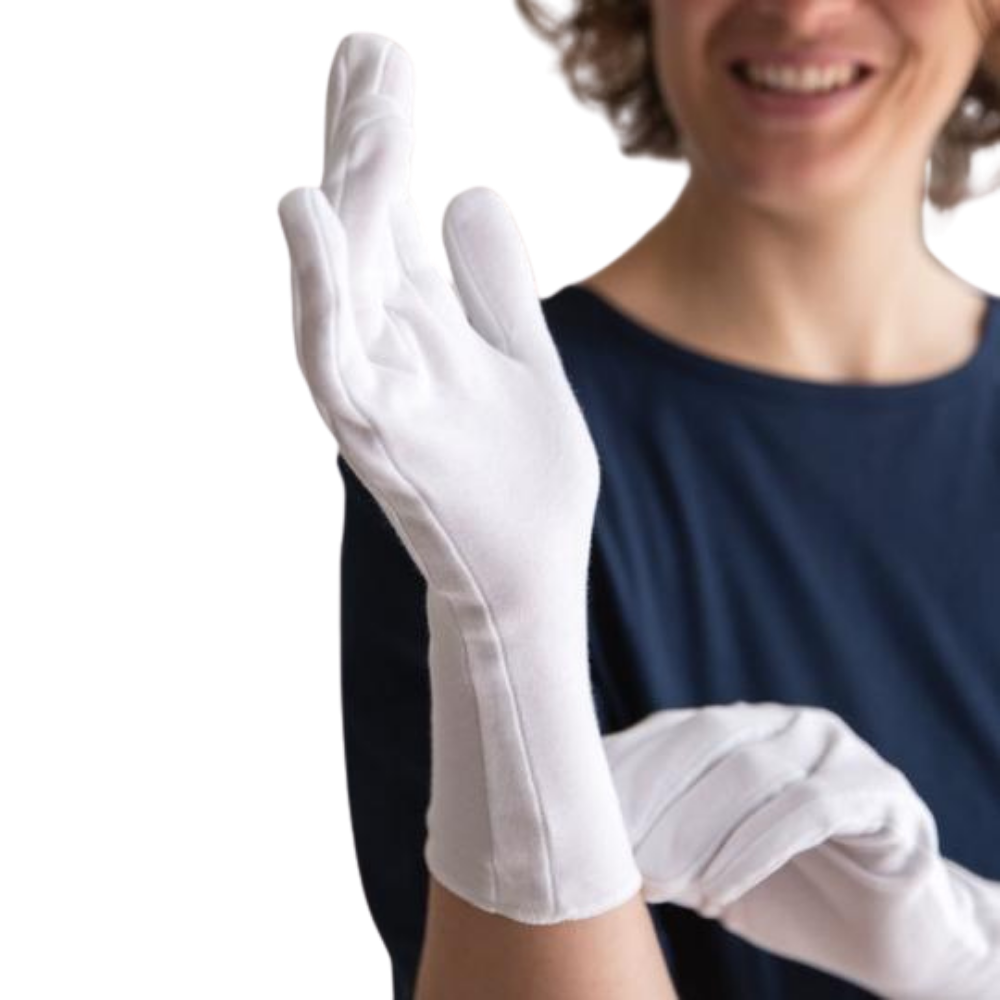
  • Wearing soft, breathable fabrics if clothing causes irritation

Many people find that keeping the skin well moisturized helps soften rough areas over time while reducing itching and discomfort.

Related collections:

Managing Eczema Scales

One of the most common concerns with thick eczema is the appearance of eczema scales. These dry, flaky layers develop because the skin barrier isn't shedding normally during ongoing inflammation.

Rather than trying to scrub or peel scales away, focus on softening them with regular moisturizing and gentle cleansing. Removing eczema scales too aggressively can damage the skin and make irritation worse.

Our collection includes products that help support the skin barrier while keeping dry, scaly skin comfortable and hydrated.

Products That Can Help Thick Eczema

Different products work better for different people, but many customers with thick eczema choose products that focus on hydration and skin barrier support.

You may find it helpful to build a routine using:

  • Rich moisturizing balms
  • Natural eczema creams
  • Gentle fragrance-free soaps
  • Moisturizing oils
  • Barrier-supporting skincare

Some people also benefit from combining moisturizers with wet wrap therapy during more severe flare-ups to improve hydration.

Not sure where to start?

Shop by Skin Concern

Not all eczema looks the same. Explore products based on your skin's current symptoms:

Dry, Itchy Eczema

Thick, Scaly Eczema (you're here)

Weeping Eczema

FAQs about Thick Eczema

Thick eczema usually develops after repeated scratching and ongoing inflammation. Over time, the skin responds by becoming thicker, rougher, and more difficult to moisturize.

Repeated itching and scratching can cause the skin to protect itself by becoming thicker. Keeping flare-ups under control and following a consistent skincare routine may help reduce further thickening.

Eczema scales are dry, flaky layers of skin that develop when the skin barrier is damaged and the normal shedding process is disrupted. They commonly appear on areas affected by thick, dry eczema.

Instead of scrubbing, focus on softening eczema scales with gentle cleansing and regular moisturizing. Picking or aggressively removing scales can damage the skin barrier and worsen irritation.

Yes. Dry eczema refers to skin that lacks moisture, while thick eczema develops after repeated inflammation and scratching cause the skin to become hardened and rough. Many people experience both at the same time.

If dryness is your primary concern, visit our Dry Eczema Treatments collection.

Even though thick eczema skin may feel tougher, the underlying inflammation often remains active. Dryness, nerve irritation, and skin barrier damage can all contribute to persistent itching.

No. Thick eczema and plaque psoriasis can look similar because both may cause thick, rough patches of skin with visible scaling. However, they are different conditions.

Thick eczema is usually caused by ongoing inflammation and repeated scratching, while plaque psoriasis is an autoimmune condition that causes skin cells to build up much more quickly. Psoriasis plaques are often thicker, have silvery scales, and tend to have more clearly defined edges than eczema.

If you're unsure which condition you have, it's important to speak with your healthcare provider or dermatologist, as the treatment approach may be different.