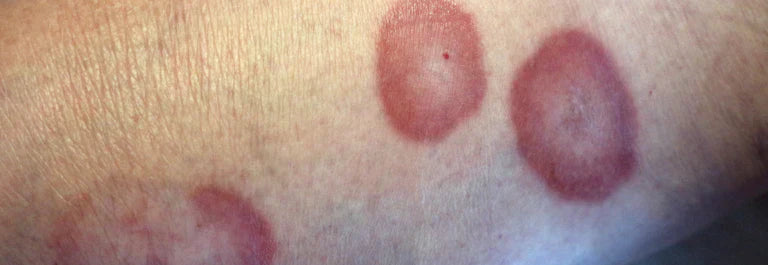

Shea butter, cocoa butter, and coconut oil are popular ingredients in natural skincare products. They are often used to moisturize dry skin, soften rough patches, and support the skin barrier. But for some people with sensitive or eczema-prone skin, these ingredients may cause irritation or allergic reactions.
If you’ve ever noticed itching, redness, bumps, burning, or a rash after using a skincare product containing these ingredients, you may be wondering whether you’re reacting to the butter itself or something else in the formula.
In this guide, we’ll explain the signs of a shea butter or cocoa butter allergy, possible causes of irritation, and how to choose skincare products more carefully for sensitive skin.
Please keep in mind that we are not medical professionals. If you experience severe swelling, difficulty breathing, or a serious allergic reaction, seek medical attention immediately.
Can You Be Allergic to Shea Butter?
Yes, although it is considered uncommon, some people can react to shea butter.
Shea butter is derived from the nuts of the shea tree, which means people with certain nut sensitivities may prefer to use caution when trying products that contain it. Others may not have a true allergy but instead experience irritation from heavily fragranced or highly processed skincare products that include shea butter alongside other ingredients.
Symptoms may include:
- Itching
- Redness
- Rash
- Burning or stinging
- Dry patches
- Small bumps
- Swelling or irritation
People with eczema or a damaged skin barrier may also be more likely to react to ingredients that would not normally bother healthy skin.
Can You Be Allergic to Cocoa Butter?
Cocoa butter allergies are also possible, although they appear to be relatively rare.
Cocoa butter comes from cocoa beans and is commonly found in body butters, lip balms, lotions, and stretch mark creams. While many people tolerate cocoa butter well, others may notice irritation or sensitivity after repeated use.
In some cases, the reaction may actually be caused by:
- added fragrance
- preservatives
- essential oils
- dyes
- other active ingredients in the product
This is why patch testing new skincare products can be especially helpful for sensitive skin.
What About Coconut Oil?
Coconut oil is another ingredient that works well for some people but may irritate others.
Because coconut oil is highly moisturizing, it is commonly used in natural soaps and skincare products. However, some individuals with acne-prone or highly reactive skin may find that it clogs pores or causes irritation.
Others may react to products containing coconut-derived cleansing ingredients rather than pure coconut oil itself.
As with any skincare ingredient, skin responses can vary greatly from person to person.
Could It Be Contact Dermatitis?
Sometimes the reaction is not a true allergy but a condition called contact dermatitis.
Contact dermatitis happens when the skin becomes irritated after exposure to something it does not tolerate well. This can happen with:
- skincare products
- fragrances
- detergents
- fabrics
- preservatives
- essential oils
- metals
Because eczema-prone skin already has a weakened skin barrier, it may be more vulnerable to irritation from everyday products.
Signs Your Skin May Be Reacting to an Ingredient
If your skin becomes irritated after using a new product, watch for symptoms such as:
- Redness
- Itching
- Burning
- Rash
- Dryness
- Peeling
- Swelling
- Hives
- Small bumps
- Cracked skin
Sometimes reactions happen immediately, while others develop gradually after repeated exposure.
If symptoms persist, worsen, or become severe, speak with a healthcare professional or dermatologist for proper evaluation.
How to Choose Skincare for Sensitive Skin
For eczema-prone or sensitive skin, simpler formulas are often easier to tolerate.
Many people prefer products that are:
- fragrance free
- dye free
- made with fewer ingredients
- free from harsh preservatives
- designed for sensitive skin
Patch testing a new product on a small area before wider use can also help reduce the risk of irritation.
Skincare Products Without Shea Butter, Cocoa Butter, or Coconut Oil
If you suspect that shea butter, cocoa butter, or coconut oil may be irritating your skin, it can help to temporarily simplify your skincare routine and choose products that avoid those ingredients altogether.
Some people only react to one ingredient, while others prefer to avoid all three while trying to identify a trigger. Reading ingredient labels carefully is important, especially since these oils and butters are commonly used in moisturizers, soaps, lip balms, and natural skincare products.
If You Want to Avoid Shea Butter or Cocoa Butter
...and want a singular ingredient with a similar creamy or whipped effect such as, try one of these:
- sunflower seed butter
- mango butter
- murumuru butter
- cupuaçu butter
- kokum butter
If You Want to Avoid Coconut Oil
Coconut oil may be harder when it's cool, but it quickly melts when exposed to warmer temperatures, like the surface of your skin. Therefore, its quite a bit different in texture than the butters, and more similar to a thinner carrier oil.
These are some moisturizing oils you could try instead:
- sunflower seed oil
- grapeseed oil
- jojoba oil
- olive oil
- hemp seed oil
- argan oil
- sesame seed oil
- almond oil
- avocado oil
If You Want to Avoid All Three
Minimal-ingredient skincare products are often the safest place to start. Many people with eczema-prone or reactive skin find that fewer ingredients make it easier to identify triggers and reduce irritation.
Our Emily Skin Soother for Babies to Adults is a popular option for sensitive, irritated skin and does not contain shea butter, cocoa butter, or coconut oil. Many people reach for it during flare-ups when their skin feels especially dry, itchy, or uncomfortable.

If you're looking for an oil with a boost of a little something extra. This Calendula Oil is made with just olive oil and calendula. It's incredibly nourishing when applied after a bath or shower.

For cleansing, choosing a gentle, fragrance-free cleanser and avoiding harsh soaps may also help support the skin barrier while you identify ingredient sensitivities. Our Grass Fed Tallow Soap is free of all three ingredients and is a simple, but moisturizing soap we recommend.

Supporting Sensitive Skin Starts With Understanding Triggers
When you have sensitive or eczema-prone skin, figuring out which ingredients work for your skin can take time and patience. What works well for one person may not work for another.
Paying attention to ingredient lists, simplifying your skincare routine, and choosing gentle products designed for sensitive skin can often help reduce irritation and support a healthier skin barrier over time.
✨🤍✨
Wishing you skin health and happiness, The Eczema Company Team