

Rest Well With Tips From Our Blog
Your Guide to Managing Severe Eczema with Wet Wrap Therapy
When eczema is severe, wet wrapping can provide quick relief. Learn how it works here.

Is Your Eczema Worse at Night?
You're not dreaming it - your eczema could be worse at night. Here's why and what you can do about it.

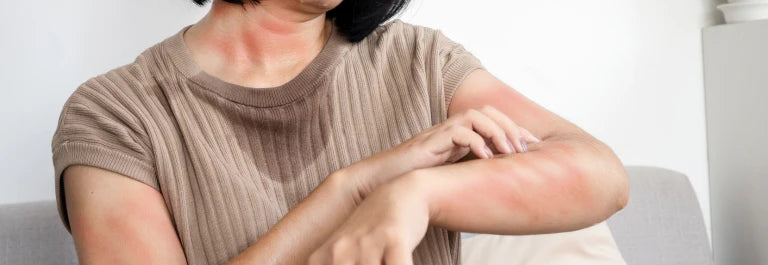
How to Stop Itchy Skin at Night
Itching keeping you up at night? Learn why and how to get some relief so you can sleep soundly and wake up refreshed.
Related Eczema Solutions
Eczema Pajamas >>> Discover soft, breathable sleepwear designed to help reduce irritation and support more comfortable nights.
Eczema Bedding >>> Check out these soft, smooth bedding options made with natural, cooling fibers.
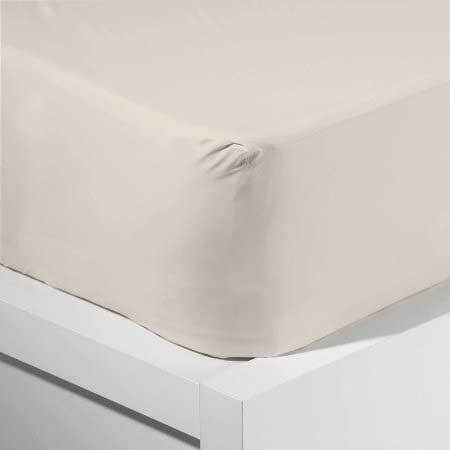
Eczema Sheets >>> View our super soft, cooling sheets to keep you comfy all night long.
Eczema Duvets & Comforters >>> Visit our collection of natural fibers and soft comforters great for eczema and sensitive skin.
Eczema Pillowcases >>> If facial eczema is a concern, you'll love our natural fiber pillowcases.
Laundry Products for Eczema >>> View our natural laundry products made for sensitive skin and eczema.
FAQs about our Allergy Bedding
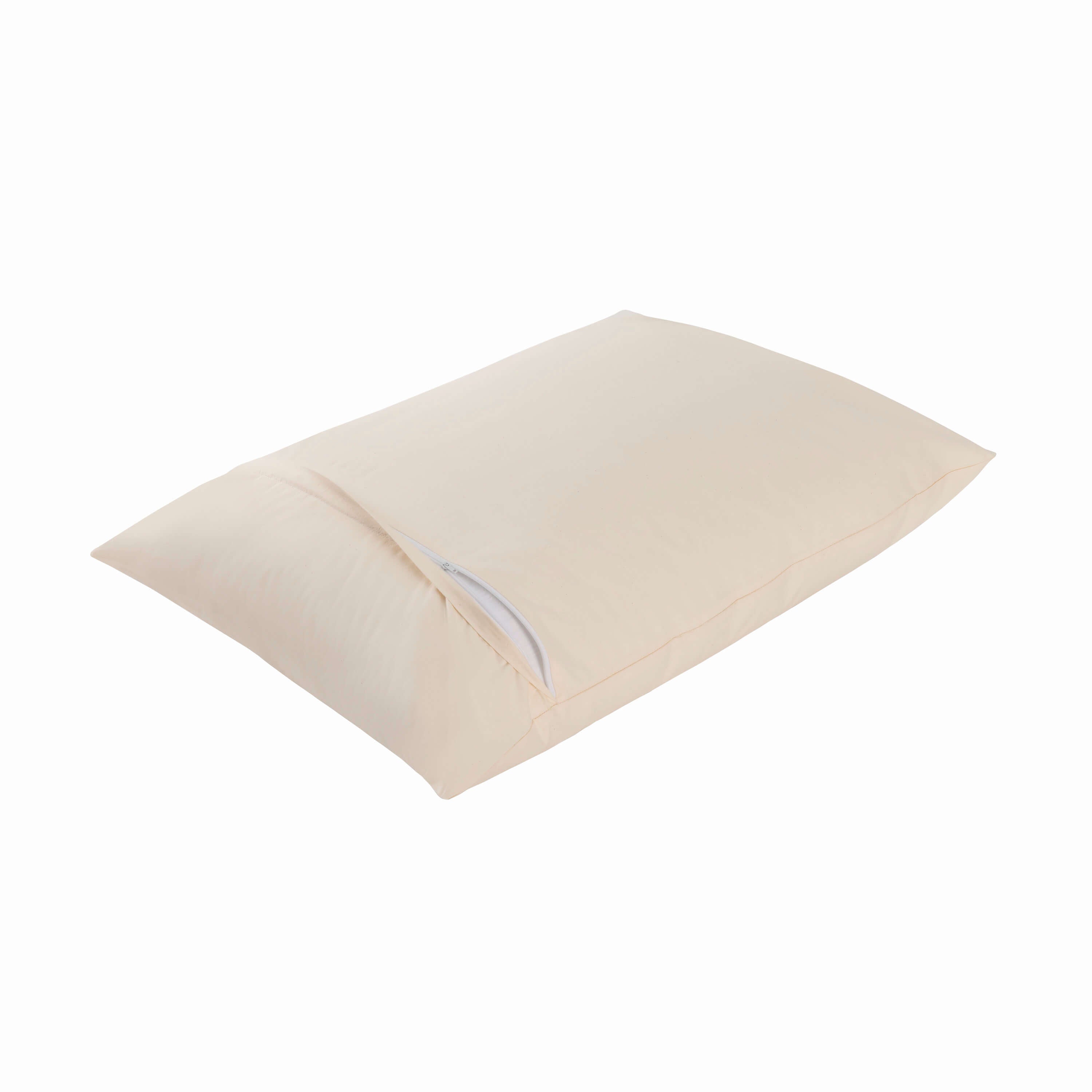
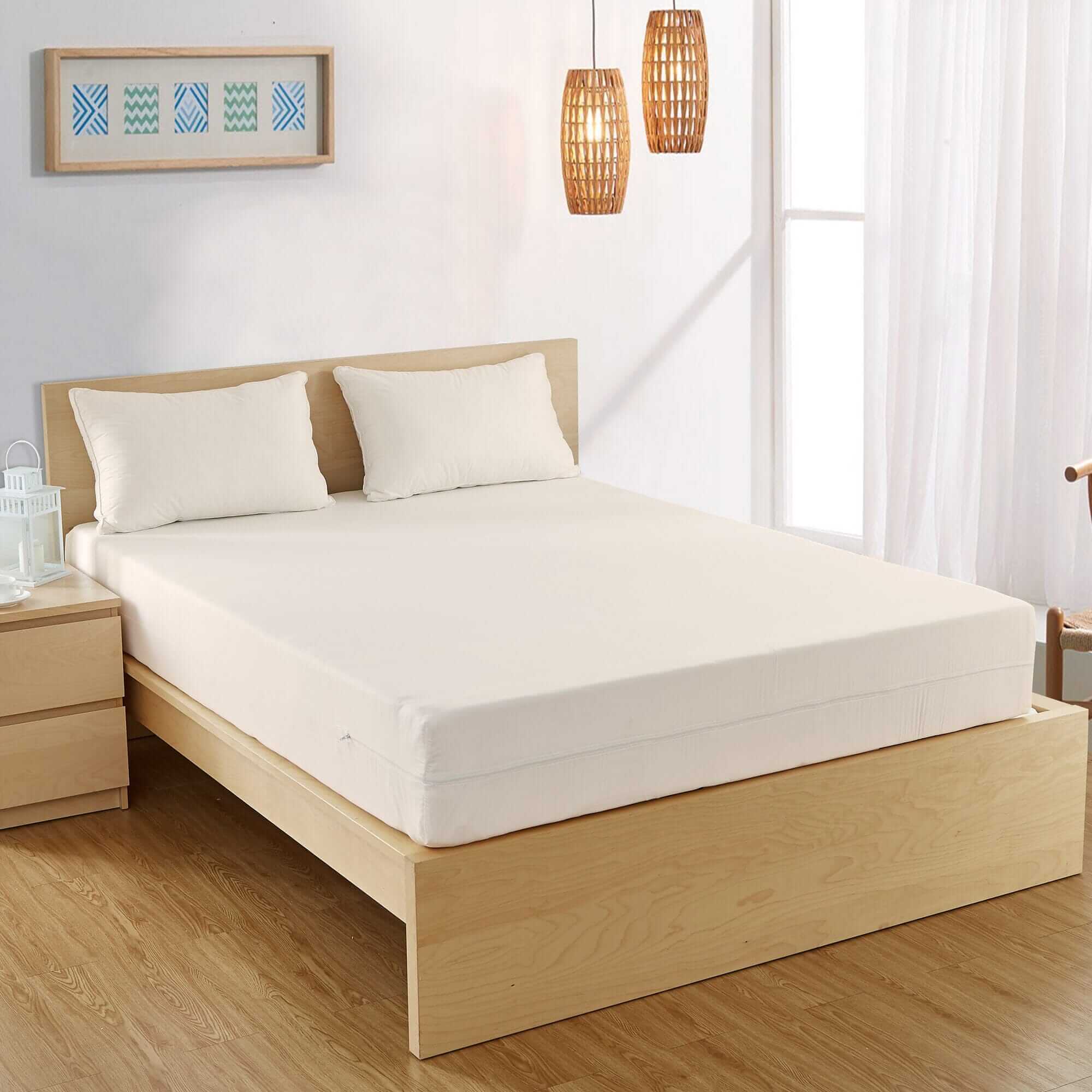
Allergy bedding includes mattress protectors, mattress encasements, and pillow encasements designed to reduce exposure to common allergens such as dust mites, pet dander, and pollen while protecting your bedding.
People with eczema spend six to eight hours each night in close contact with their bedding. Allergy bedding creates a barrier against dust mites and other common allergens while breathable organic cotton helps provide a softer, more comfortable sleep surface for sensitive skin. Many families choose allergy bedding as part of an eczema-friendly bedroom.
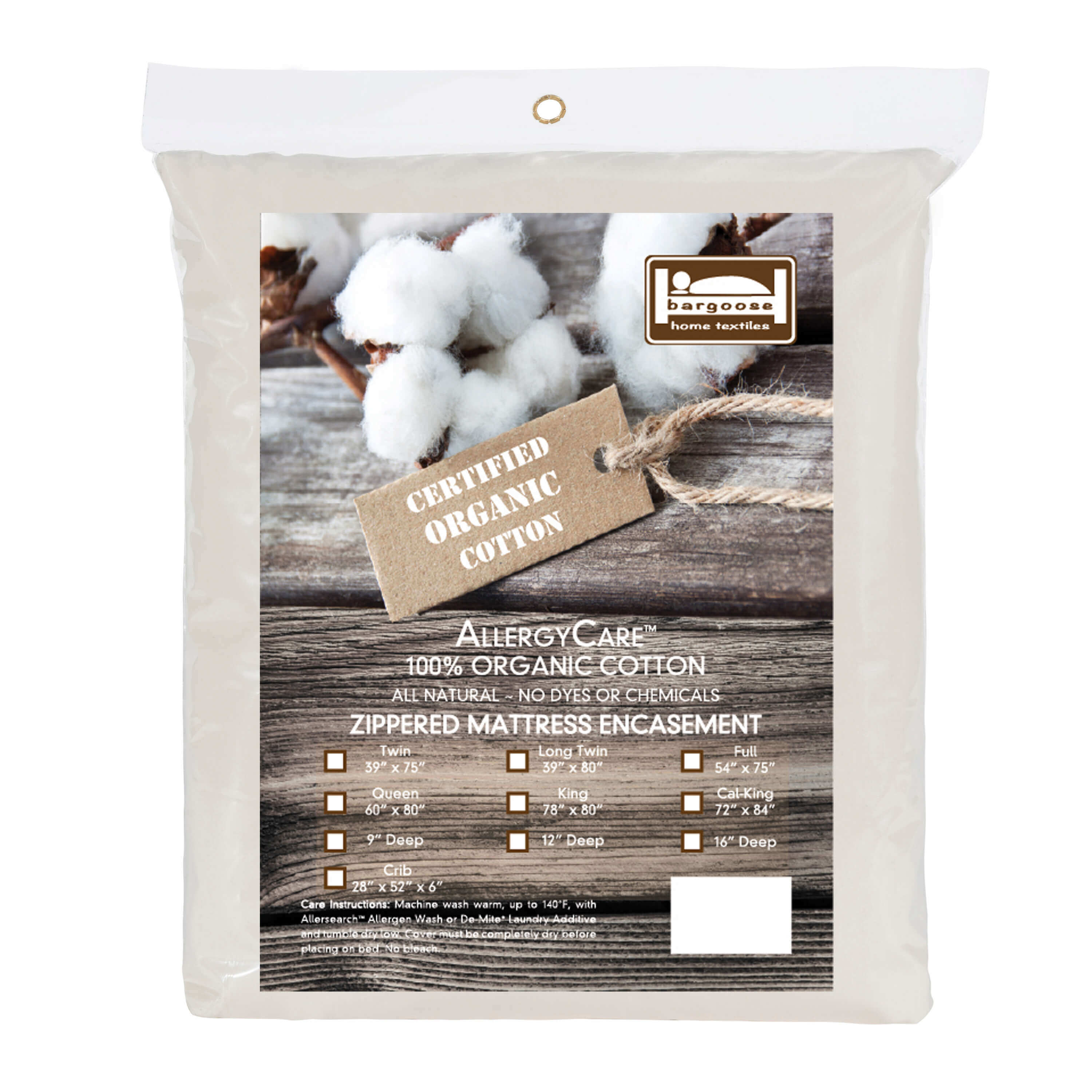
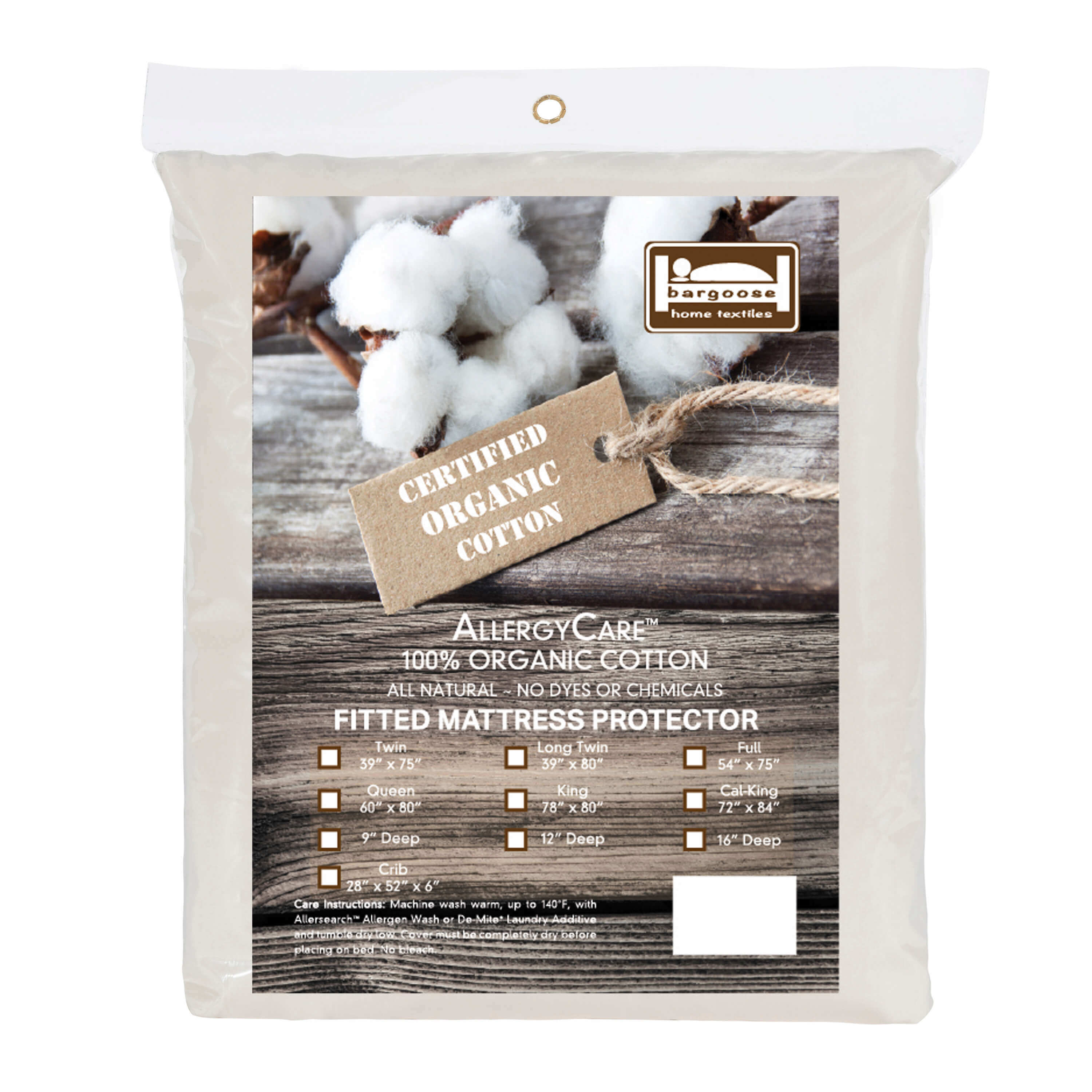
A fitted mattress protector covers the top and sides of your mattress like a fitted sheet, making it easy to remove for washing. A mattress encasement completely surrounds the mattress with a zipper, providing more comprehensive protection against allergens.
High-quality dust mite covers made with tightly woven fabrics can help reduce exposure to dust mites by creating a barrier between you and your mattress or pillow. They are commonly recommended as part of an overall allergy management plan.
Many people with sensitive skin or eczema prefer organic cotton because it is naturally breathable, soft, and free from many of the chemicals used in conventional textile production.
Using both provides more complete protection since dust mites and allergens can collect in both mattresses and pillows. Many families choose to protect both for a cleaner sleep environment.
Wash your allergy bedding according to the care instructions, typically every one to two months, and wash your sheets weekly to help reduce allergen buildup.