
Updated July 14, 2026
If your eczema seems much itchier once the sun goes down, you're not imagining it. Many people with eczema notice their itching becomes much more intense at night, making it difficult to fall asleep or stay asleep. Severe nighttime itching can quickly become a frustrating cycle of scratching, damaged skin, and poor-quality sleep.
Nighttime itching happens for several reasons, including changes in your body's natural temperature, skin barrier function, inflammation, and circadian rhythm. The good news is that there are practical steps you can take to reduce itching, protect your skin, and sleep more comfortably.
In this guide, you'll learn:
- Why eczema gets worse at night
- How to stop eczema itching before bed
- Ways to reduce scratching while you sleep
- The best clothing and bedding for sensitive skin
- When wet wrap therapy may help
- When it's time to see a healthcare professional
Why Does Eczema Itch More at Night?
Many people wonder why their eczema feels manageable during the day but suddenly becomes unbearable at bedtime. Several natural changes happen overnight that can make itching feel much more intense.
Your Skin Loses More Moisture Overnight
Your skin naturally loses more water while you sleep, a process called transepidermal water loss (TEWL). Since eczema already weakens the skin barrier, this overnight moisture loss can leave skin feeling tighter, drier, and much itchier by bedtime.
Your Body's Circadian Rhythm Changes
Your body's internal clock affects inflammation throughout the day. At night, cortisol, your body's natural anti-inflammatory hormone, drops while inflammatory signals increase. For many people with eczema, this means itching becomes noticeably worse in the evening.

Your Skin Gets Warmer
Your core body temperature naturally rises slightly as you prepare for sleep. Warmer skin can stimulate itch-sensitive nerve endings, making eczema flare-ups feel even more uncomfortable.
There Are Fewer Distractions
During the day you're busy working, exercising, talking, or running errands. Once everything becomes quiet at night, your brain becomes much more aware of itching sensations, making them feel stronger than they did during the day.
How to Stop Eczema Itching at Night
1. Moisturize Right Before Bed
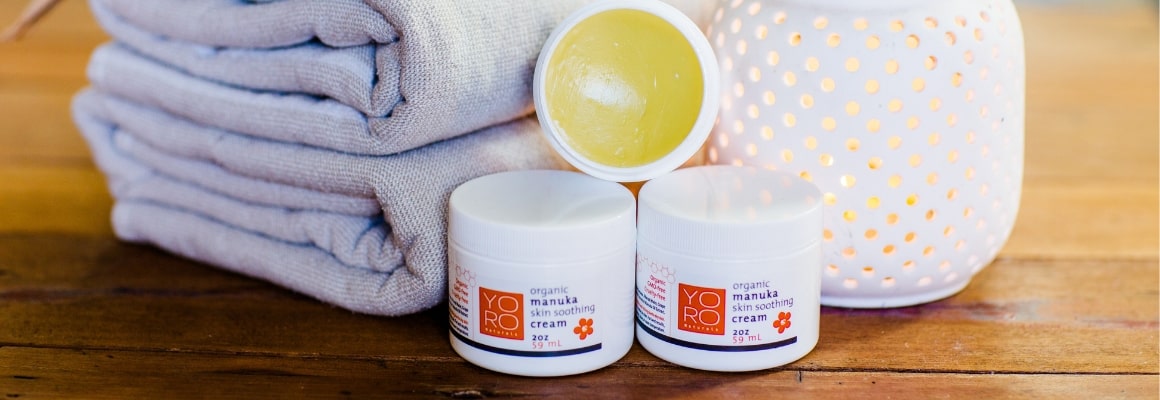
Applying a rich moisturizer immediately before bed helps replenish moisture lost throughout the day and supports your skin barrier overnight. Look for fragrance-free creams, balms, or natural oils that help lock in hydration without irritating sensitive skin.
Explore our Natural Eczema Creams, Balms and Oils collection to find products suited to your skin type.

2. Keep Your Bedroom Cool
A cool bedroom can make a surprising difference. Overheating often makes itching worse.
Aim for a bedroom temperature around 18-20°C (65-68°F) and choose breathable bedding that allows excess heat to escape. Lightweight natural fabrics are often more comfortable than heavy synthetic blankets.
3. Wear Breathable Eczema Pajamas
Soft, breathable sleepwear helps reduce irritation throughout the night. Pajamas made from materials like TENCEL™ and organic cotton can minimize friction while helping regulate body temperature.
If you tend to scratch while sleeping, we suggest trying pajama tops with built in eczema mittens to help create a gentle protective barrier between your nails and your skin.
4. Choose Eczema-Friendly Bedding
Since you spend several hours every night in direct contact with your bedding, your sheets and pillowcases can either help or worsen irritated skin.
Look for breathable, soft fabrics that minimize friction and help regulate temperature. Organic cotton and TENCEL™ are popular choices for many people with eczema.
Visit our eczema bedding collections:

5. Reduce Scratching While You Sleep
Nighttime scratching often happens without realizing it.
These simple habits can help:
- Keep fingernails trimmed short.
- Moisturize immediately before bed.
- Wear breathable sleep clothing if scratching is severe.
- Try gloves and mittens to prevent scratching.
- Keep your bedroom cool.
6. Identify Evening Triggers
Sometimes the cause isn't bedtime itself.
Common nighttime eczema triggers include:
- Hot showers before bed
- Overheating
- Fragranced laundry detergents
- New skincare products
- Stress and anxiety
- Alcohol for some adults
Keeping a simple eczema diary can help identify patterns over time and help you to eliminate potential eczema triggers.
7. Consider Dry Wrap or Wet Wrap Therapy
If your eczema becomes especially severe at night, dry wrap or wet wrap therapy may provide additional relief by increasing skin hydration, improving moisturizer absorption, and helping reduce scratching.
Learn more in our complete guides for:

8. Take Short, Lukewarm Evening Showers
A long, hot shower can feel soothing in the moment, but it often strips away your skin's natural oils and can leave eczema feeling itchier later in the evening. Instead, take a short lukewarm shower or bath with a gentle cleansing soap, gently pat your skin dry, and apply moisturizer within a few minutes to help lock in hydration.
9. Avoid Harsh Skincare Before Bed
Your evening skincare routine should help strengthen your skin barrier, not irritate it. Avoid products containing fragrances, harsh preservatives, or strong exfoliating ingredients that can trigger itching overnight. Choose gentle, eczema-friendly skincare designed for sensitive skin whenever possible.
Check out this Guide: Eczema Skincare Ingredients to Avoid & What to Use Instead
10. Use a Humidifier if Your Air Is Very Dry
Dry indoor air, especially during the winter or in air-conditioned rooms, can pull even more moisture from eczema-prone skin overnight. If your home is very dry, using a humidifier in your bedroom may help keep your skin from drying out while you sleep. Aim for an indoor humidity level of around 40-50%, and clean your humidifier regularly to prevent mold and bacteria buildup.
11. Wash Bedding Regularly to Reduce Allergens
Dust mites, pollen, pet dander, and other allergens can build up in your bedding over time and may trigger nighttime eczema flare-ups for some people. Wash your sheets, pillowcases, and pajamas regularly using a fragrance-free laundry detergent, and choose breathable natural fabrics whenever possible. If dust mites are a trigger, consider using allergy-free bedding like dust mite-proof pillowcases and mattress protectors.

12. Stay Consistent With Your Routine
One good night won't completely stop nighttime eczema itching. The biggest improvements often come from following the same routine every evening: moisturizing consistently, wearing breathable clothing, sleeping in a cool room, and avoiding known triggers. Over time, these small habits can make a meaningful difference.
When Nighttime Itching Could Mean Something More
Occasional nighttime itching is common with eczema, but persistent or severe symptoms may indicate that your eczema isn't well controlled or that another issue is contributing to your discomfort.
Speak with your healthcare provider if:
- You wake up scratching most nights.
- Your skin becomes painful, weepy, or develops yellow crusting.
- You think your skin may be infected.
- Home treatments are no longer helping.
- Poor sleep is affecting your daily life.
Proper treatment can often improve both your eczema symptoms and your quality of sleep.
FAQs about Nightime Itchy Skin
Why does eczema itch more at night?
Eczema often becomes itchier at night because your skin loses more moisture, your body's natural anti-inflammatory hormones decrease, your skin temperature rises slightly, and there are fewer distractions to take your attention away from the itch.
How do I stop scratching eczema while I sleep?
Moisturize before bed, keep your nails short, wear breathable eczema pajamas if needed, keep your bedroom cool, and consider wearing wet wraps during severe flares. Identifying your personal nighttime eczema triggers can also help reduce scratching.
Why is my skin still itchy at night after moisturizing?
Moisturizer is only one part of eczema management. Heat, allergens, stress, irritation from clothing or bedding, or uncontrolled inflammation can all contribute to nighttime itching, even if your skin feels well moisturized.
Can wet wrap therapy help severe nighttime itching?
Yes. Wet wrap therapy can be very effective during moderate to severe eczema flares by increasing skin hydration, improving the effectiveness of moisturizers, and helping reduce scratching overnight. It should generally be used for short periods during flares rather than continuously.
Should I wear pajamas if my eczema is worse at night?
Yes. Soft, breathable pajamas made from eczema-friendly fabrics can reduce friction, help regulate temperature, and make sleeping more comfortable. Avoid rough fabrics like wool or heavy synthetic materials if they irritate your skin.
When should I see a doctor for severe nighttime itching?
If eczema itching regularly prevents you from sleeping, your skin becomes infected, or home care no longer provides relief, it's a good idea to speak with a healthcare professional about additional treatment options.
Resources
https://www.ncbi.nlm.nih.gov/pmc/articles/PMC41208...
https://nationaleczema.org/eczema/
References:
[1] Wiegand, 2013, Skin-protective effects of a zinc oxide-functionalized textile and its relevance for atopic dermatitis. Clin Cosmet Investig Dermatol; 6: 115–121. https://www.ncbi.nlm.nih.gov/pmc/articles/PMC3656...