
Updated July 7, 2026
Eczema is an inflammatory skin condition that can occur anywhere, including under the armpit. Also known as underarm eczema, this type of eczema often develops where heat, sweat, friction, deodorants, and shaving can irritate already sensitive skin. The folds of the body tend to be a hotspot for irritation because the skin is more likely to rub against itself and experience chafing. In fact, it's so common that it was given a name, flexural eczema.
In this post, we’ll explore some of the symptoms and causes of eczema on the armpit to help you treat this condition naturally.
In This Guide
In this guide, you'll learn:
- What armpit eczema looks like
- Common causes and triggers
- How deodorants, sweat, and shaving can make eczema worse
- Natural ways to soothe underarm eczema
- The best clothing and skincare for sensitive underarms
What Does Armpit Eczema Look Like?
An eczema rash on the armpit typically appears scaly and white or bumpy and red. It can also be weeping or oozing. In addition, the affected area will likely be extremely dry and itchy. Scratching can cause the skin to crack or bleed, even prompting the blister-like bumps to leak and crust over. This can pave the way for infection, especially if left untreated.
Some people develop eczema in only one armpit, while others experience irritation under both arms. The appearance can vary depending on skin tone and the severity of the flare.
Armpit eczema may appear as:
- Red, itchy patches
- Dry or flaky skin
- Burning or stinging
- Cracked skin
- Thickened skin from repeated scratching
- Darker skin after the flare heals (post-inflammatory hyperpigmentation)
The skin can develop a thick leathery texture if intense scratching occurs. Bear in mind that it’s possible your symptoms may go through different degrees of severity. This means there may be periods where symptoms are less intense – possibly even unnoticeable – while you may experience severe flare-ups at other times. Be sure to speak with your doctor or physician to get an accurate diagnosis of your condition.
What Causes Eczema on the Armpit?
Common triggers include:
- Sweat
- Heat
- Friction
- Synthetic fabrics
- Deodorants and antiperspirants
- Shaving
- Fragrances
- Laundry detergent residue
- Stress
- Seasonal allergies
Because the skin beneath the arms stays warm and moist, underarm eczema can flare more often than eczema on other parts of the body.

How to Reduce Common Underarm Eczema Triggers
Reducing triggers is a great way to soothe symptoms and manage your condition. Here are some actions you can take to reduce armpit eczema:
Reduce Sweat & Heat
Sweat and trapped heat are common eczema triggers, especially beneath the arms where skin stays warm and moist. After exercising or spending time in hot weather, gently rinse or shower to remove sweat, then pat the area dry instead of rubbing. Allow your skin to cool before applying moisturizer or getting dressed again.
If heat regularly triggers your eczema, try to stay cool whenever possible by avoiding overheating and changing out of damp clothing promptly.
Avoid Synethic Materials
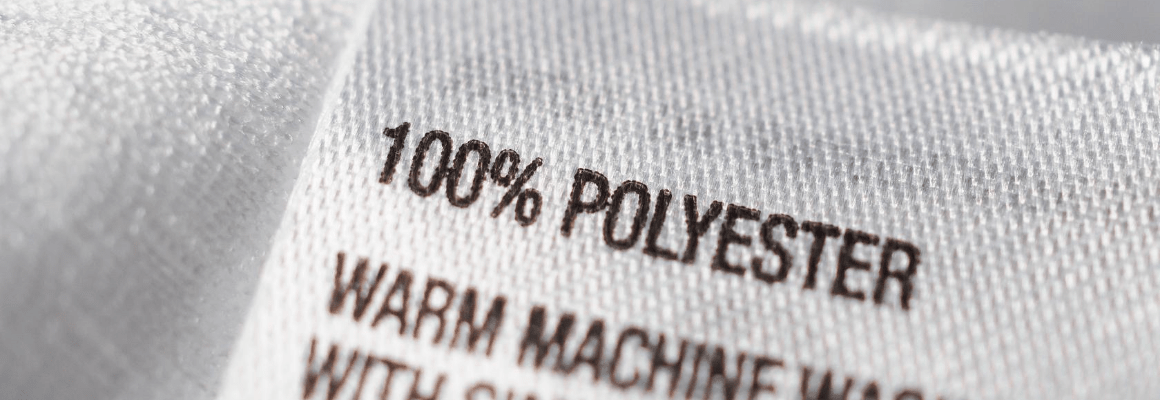
The fabrics you wear every day can either help protect your skin or contribute to irritation. Rough or synthetic materials, like polyester, nylon and rayon may trap heat, increase sweating, and create friction beneath the arms, while breathable natural fabrics help improve airflow and comfort.
Choosing clothing made from organic cotton or TENCEL™ may help reduce irritation caused by friction and overheating, particularly during exercise or warm weather.
Use Gentle Deodorants
Many deodorants and antiperspirants contain fragrances, alcohol, preservatives, or other ingredients that may irritate already sensitive skin. If your eczema tends to flare beneath your arms, switching to a fragrance-free deodorant formulated for sensitive skin may help reduce irritation.
If you're trying a new deodorant, consider patch testing it on a small area of skin first. During an active flare, keeping the area clean and well moisturized before reintroducing deodorant may also make it more comfortable.
Shave Carefully
Shaving can irritate already inflamed skin by creating tiny cuts and increasing friction. If you shave, use a clean, sharp razor, shave gently, and moisturize afterward to help support the skin barrier.

Avoid Fragrances
Fragrances aren't just found in skincare. They may also be present in soaps, body washes, laundry detergents, fabric softeners, and personal care products. Choosing fragrance-free products whenever possible can help reduce unnecessary irritation.
Rinse Out Laundry Detergent Residue
Even after washing, detergent residue can remain on clothing, towels, and bedding that stay in contact with your skin. Washing clothes with a fragrance-free laundry detergent designed for sensitive skin and adding an additional rinse may help reduce irritation.
Reduce Stress
Stress doesn't directly cause eczema, but it can contribute to flare-ups for many people. Prioritizing sleep, regular exercise, stress management, and a consistent skincare routine may help reduce the frequency and severity of symptoms.
Address Seasonal Allergies
Pollen and other seasonal allergens may worsen eczema symptoms for some people. Showering after spending time outdoors, changing into clean clothes, and keeping your skin well moisturized may help reduce irritation during allergy season.

How to Soothe Underarm Eczema Naturally
Once triggers are under control, it's time to look at natural skincare and other treatments to soothe and heal your skin.
Cleanse Without Stripping the Skin
Harsh soaps can remove the skin's natural oils and leave eczema-prone skin feeling even drier. Instead, choose a gentle cleanser made with natural ingredients that cleanses away sweat, bacteria, and daily buildup without over-drying the skin.
When washing the underarm area, use lukewarm water and gently pat the skin dry before applying moisturizer.
Moisturize Regularly
A damaged skin barrier loses moisture more easily, making underarm eczema feel itchier, drier, and more irritated. Applying a natural eczema cream or balm at least twice daily, especially after showering or washing, helps replenish moisture and support the skin's protective barrier.
Choose products made with nourishing natural ingredients and avoid added fragrances or unnecessary irritants whenever possible. For very dry or cracked skin, a richer balm may provide longer-lasting moisture than a lightweight lotion.
Prevent Scratching
Nighttime itching can quickly undo the progress made during the day. If you tend to scratch while sleeping, wearing soft eczema mittens or gloves may help reduce damage to the skin while allowing moisturizers to continue working overnight.
Keeping fingernails short can also help minimize accidental skin damage.

Try Therapeutic Clothing
For active underarm eczema, therapeutic clothing can provide more than everyday comfort. Remedywear® garments are intentionally designed to fit close to the skin so the zinc-embedded TENCEL™ fabric remains in continuous contact with irritated areas. This close fit allows the therapeutic fabric to work alongside your moisturizer while helping reduce scratching and supporting the skin barrier.
Unlike ordinary clothing, therapeutic garments are designed specifically for people living with eczema and can be worn during the day or overnight as part of a consistent skincare routine.

Stay Consistent
There isn't a single product that works for everyone with eczema. Building a consistent routine using natural skincare, breathable clothing, and products that support your skin barrier often provides the best long-term results.
Even small changes, such as switching your cleanser, laundry detergent, or moisturizer, can make a meaningful difference over time.
When should I see a doctor?
If your underarm eczema becomes very painful, begins oozing, shows signs of infection, or doesn't improve with gentle skincare and trigger avoidance, it's important to see a healthcare professional for evaluation and treatment.
Frequently Asked Questions
Can deodorant cause armpit eczema?
Yes. Deodorant is one of the most common triggers for underarm eczema. Ingredients such as fragrance, alcohol, preservatives, and certain antibacterial agents can irritate sensitive skin or trigger allergic contact dermatitis, which often looks very similar to eczema. If you notice irritation after applying deodorant, try switching to a fragrance-free formula designed for sensitive skin and avoid applying it to broken or inflamed skin.
Can sweating make underarm eczema worse?
Yes. Sweat can increase itching, burning, and irritation, especially when it remains trapped beneath the arms. Heat and moisture may weaken the skin barrier and encourage scratching, making flares worse. Showering after exercise, gently patting the skin dry, moisturizing, and wearing breathable natural clothing can help reduce irritation.
What clothing is best for underarm eczema?
Look for soft, breathable clothing made from natural fabrics such as organic cotton or TENCEL™. Avoid rough seams, scratchy fabrics, and materials that trap heat and moisture. Therapeutic garments like Remedywear® are intentionally designed to fit close to the skin so the zinc-embedded TENCEL™ fibers remain in contact with irritated areas while helping soothe itching and support the skin barrier.
Can shaving make underarm eczema worse?
Yes. Shaving can irritate already inflamed skin by creating tiny cuts, increasing friction, and disrupting the skin barrier. If you choose to shave, use a clean, sharp razor, shave gently with a fragrance-free shaving cream or gel, and apply a natural moisturizer afterward to help reduce dryness and irritation.
Why do I only have eczema in one armpit?
It's possible for eczema to affect just one underarm. Differences in friction, deodorant application, shaving habits, skin folds, or exposure to irritants can cause one side to flare more than the other. If a rash is persistent, painful, or appears only on one side for an extended period, it's a good idea to consult your healthcare provider to rule out other skin conditions.
Is armpit eczema contagious?
No. Armpit eczema is not contagious and cannot be passed from person to person through touch. However, scratching can damage the skin and increase the risk of a secondary bacterial or fungal infection, which may require medical treatment.
How long does underarm eczema take to heal?
Mild flares may improve within several days once triggers are removed and the skin is properly moisturized. More severe eczema may take several weeks to settle, especially if scratching continues or irritants such as deodorant, sweat, or friction are not addressed. Consistent skincare and avoiding known triggers are key to supporting long-term skin health.
When should I see a doctor for underarm eczema?
You should see a healthcare provider if your eczema becomes very painful, spreads rapidly, begins oozing, develops yellow crusting, or doesn't improve with regular moisturizing and trigger avoidance. A doctor can help determine whether the rash is eczema, contact dermatitis, a fungal infection, or another skin condition, and recommend the most appropriate treatment.
References:
https://www.healthline.com/health/how-to-get-rid-of-an-armpit-rash https://www.medicalnewstoday.com/articles/321907