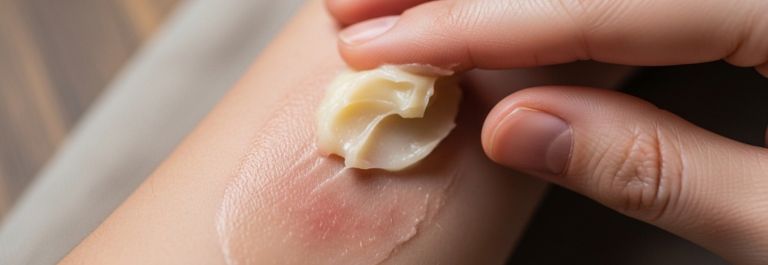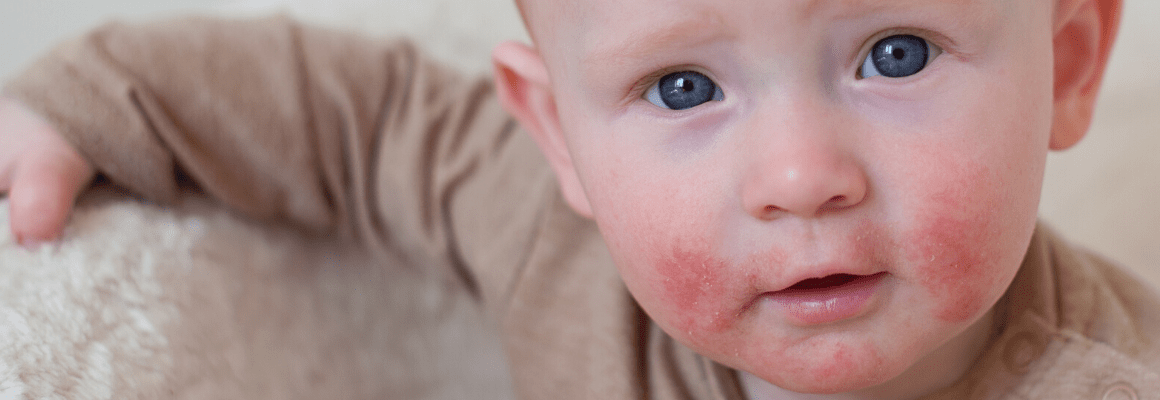

Weeping eczema happens when irritated, inflamed skin develops small blisters that leak clear fluid. The skin may feel hot, painful, swollen, or extremely itchy, especially during a flare. In more severe cases, cracked skin can become vulnerable to infection.
Because the skin barrier is already damaged, weeping eczema often needs extra care and protection while it heals. Harsh products, excessive scratching, overwashing, and dry air can all make symptoms worse.
In this guide, we’ll cover natural remedies for weeping eczema, including gentle skincare, wet and dry wrapping, anti-inflammatory lifestyle habits, and ways to help protect sensitive skin while it heals.
Please keep in mind that we are not medical professionals. If you develop signs of infection such as fever, yellow pus, worsening pain, or spreading redness, seek medical attention immediately.
What Does Weeping Eczema Look Like?
Weeping eczema can look different from person to person, but common symptoms include:
- Small blisters filled with fluid
- Oozing or “wet” skin
- Crusting or scabbing
- Red or inflamed patches
- Burning or stinging sensations
- Painful cracks in the skin
- Severe itchiness
- Warm or swollen skin
Weeping skin is often associated with atopic dermatitis, contact dermatitis, and severe eczema flares. It commonly appears on the hands, arms, legs, neck, or behind the knees.
Why Does Eczema Start Weeping?
When eczema becomes severely irritated, the skin barrier weakens even further. This can cause tiny blisters to form and leak fluid.
Common triggers include:
- Persistent scratching
- Dry skin
- Fragrance or harsh skincare products
- Stress
- Allergens
- Cold weather
- Sweating and friction
- Infection
- Overuse of topical steroids in some individuals
Because open skin is more vulnerable to bacteria, it’s important to keep the area clean and avoid aggressive products that may further irritate sensitive skin.
Natural Remedies for Weeping Eczema
Use Gentle Moisturizing Skincare
Keeping the skin moisturized helps support the skin barrier and reduce cracking.
For sensitive, inflamed skin, many people prefer simple products without fragrance, essential oils, or harsh preservatives. Thick ointments and balms can help protect areas that are dry, irritated, or prone to cracking.
For cleansing, our Nourish + Hydrate Soap Bar gently cleanses without leaving skin feeling stripped or tight. Many traditional soaps can worsen irritation by removing the skin’s natural oils.

If your skin feels especially hot, itchy, or irritated, Emily Skin Soothers Hot Skin Soother is a popular option for calming uncomfortable flare-ups.

Try Wet Wrap Therapy
Wet wrapping is one of the most common home treatments for weeping eczema.
This technique involves:
- Soaking the skin in lukewarm water
- Applying moisturizer to damp skin
- Covering the area with a damp layer
- Adding a dry layer overtop
- Keep for 2 hours or overnight
- Remove layers and apply moisturizer again
Wet wrapping can help:
- Reduce itching
- Support hydration
- Calm inflammation
- Protect skin from scratching
Because weeping eczema can sometimes become infected, it’s important to monitor the skin carefully and avoid trapping excessive moisture for prolonged periods if irritation worsens.
Consider Dry Wrapping Instead
Some people find dry wrapping easier and less messy than wet wraps.
Dry wrapping involves applying moisturizer and then covering the area with soft, breathable clothing designed for sensitive skin.
Remedywear™ garments are designed to wear when dry wrapping. Made with TENCEL and anti-inflammatory zinc-embedded fibers, this clothing helps reduce friction and keep skin comfortable while protecting irritated areas from scratching.
This can be especially helpful overnight when unconscious scratching tends to worsen symptoms.

Support Skin with Anti-Inflammatory Foods
While food does not directly cause eczema, some people notice that certain foods worsen inflammation and trigger flare-ups.
Many people choose to focus on:
- Leafy greens
- Berries
- Omega-3 rich fish
- Whole foods
- Fiber-rich foods
- Hydration
Reducing highly processed foods and excess sugar may also help support overall skin health.
Some individuals also explore elimination diets to identify potential food sensitivities, but these should always be approached carefully and ideally with guidance from a healthcare professional.
Protect the Skin Barrier
Weeping eczema heals best when the skin is protected from additional irritation.
Helpful habits include:
- Keeping showers short and lukewarm
- Avoiding fragranced laundry detergents
- Wearing breathable fabrics
- Keeping fingernails short
- Avoiding overwashing affected skin
- Moisturizing immediately after bathing
Small daily habits often make a significant difference during severe eczema flares.
When to See a Doctor for Weeping Eczema
Because open skin can become infected, it’s important to seek medical attention if you notice:
- Fever
- Yellow pus
- Increasing pain
- Spreading redness
- Warmth around the skin
- Severe swelling
- Chills or flu-like symptoms
Supporting Your Skin Through Eczema Flare-Ups
Weeping eczema can feel frustrating, painful, and exhausting, especially during severe flare-ups. The good news is that gentle skincare, protective clothing, hydration, and consistent skin barrier support can often help calm irritated skin over time.
Finding the right routine may take patience, but small changes can make a meaningful difference for sensitive, eczema-prone skin.
✨🤍✨
Wishing you skin health and happiness, The Eczema Company Team