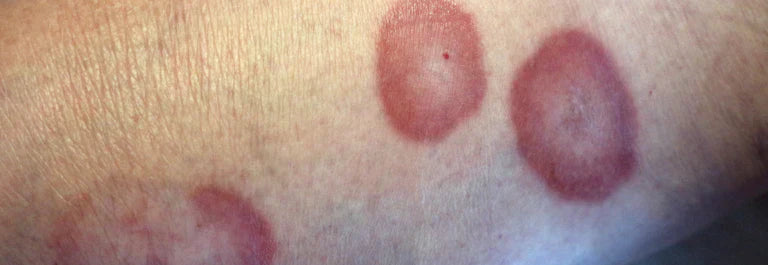

If you struggle with hand eczema, even simple daily activities can be uncomfortable. Washing dishes, cleaning, gardening, working on a computer, or spending time outdoors can leave hands feeling dry, itchy, cracked, and irritated.
The right gloves cannot cure eczema, but they can help protect sensitive skin, reduce irritation, and support the skin barrier while it heals.
In this guide, we'll cover:
- How gloves can help hand eczema
- The best materials for eczema-prone skin
- Cotton vs TENCEL gloves
- Gloves for moisturizing treatments and wet wrapping
- What to look for when choosing eczema gloves
Why Gloves Can Help Hand Eczema
Hand eczema is often triggered or worsened by repeated exposure to irritants, friction, water, soaps, cleaning products, allergens, and frequent hand washing.
Gloves can help by:
- Protecting skin from irritants
- Reducing scratching
- Helping moisturizers stay on the skin longer
- Preventing friction and rubbing
- Supporting overnight healing treatments
Using eczema gloves consistently during flare-ups can help improve comfort and protect vulnerable skin while it recovers.
| Type of Glove | Best For | Pros | Cons |
|---|---|---|---|
| Cotton Gloves | Overnight moisturizing treatments | Soft, breathable, inexpensive | Can become damp and lose softness when wet. Chemicals in non-organic cotton. |
| TENCEL™ Gloves | Daily wear and overnight use | Smooth fibers, excellent moisture management, comfortable for sensitive skin | Higher cost than conventional cotton gloves |
| Fingerless Gloves | Daytime use, work, typing | Protect skin while allowing full hand movement | Does not cover fingertips |
| Full Gloves | Sleeping, flare-ups, cold weather | Maximum skin coverage and protection | Can feel warm during daytime activities. Covers fingertips, so may restrict daytime activities. |
| Wet Wrap Gloves | Severe dryness and eczema flares | Helps lock in moisturizer and reduce scratching | More time-consuming to use |
| Latex or Nitrile Gloves | Cleaning, dishwashing, household chores, medical procedures | Protect hands from irritants and water exposure | Not intended for long-term wear. Triggers reaction for some. |
What Materials Are Best for Eczema Gloves?
Not all gloves are created equally. Some fabrics can feel rough, trap heat, or increase sweating, which may worsen irritation.
When choosing gloves for eczema, look for soft, breathable materials that are gentle against sensitive skin.

Cotton Gloves
Cotton gloves are one of the most commonly recommended glove types for eczema because they are soft, breathable, and comfortable to wear for extended periods. Many people use cotton gloves overnight after applying moisturizer, during wet wrap therapy, or underneath protective work gloves to reduce friction and irritation.
Cotton vs Organic Cotton
Not all cotton gloves are the same. Conventional cotton is one of the most heavily sprayed crops in the world and may be exposed to pesticides, herbicides, dyes, and chemical processing during manufacturing.
Organic cotton is grown under stricter standards that limit the use of many synthetic pesticides and fertilizers. Many people with eczema and sensitive skin prefer organic cotton because it reduces exposure to some of the chemicals commonly used in conventional textile production.
While both conventional and organic cotton gloves can help protect eczema-prone skin, organic cotton may be a preferred option for people who are particularly sensitive to fabrics, dyes, or chemical residues.
Regardless of the type of cotton, look for gloves that are soft, breathable, and free from unnecessary fragrances, finishes, or harsh chemical treatments.

TENCEL™ Gloves
TENCEL Lyocell is a plant-based fiber made from sustainably sourced wood pulp.
Many people with eczema prefer TENCEL because it is:
- Exceptionally soft (more so than cotton)
- Breathable
- Lightweight
- Gentle against sensitive skin
Remedywear gloves are made with TENCEL Lyocell and zinc oxide technology. Unlike ordinary clothing, Remedywear was specifically developed for people with eczema and sensitive skin. Clinical studies have shown improvements in itching, sleep quality, and overall eczema symptoms when the garments are worn consistently.
Cotton vs TENCEL for Eczema
Both cotton and TENCEL can be excellent choices for eczema-prone skin.
Cotton is familiar, affordable, and widely available. TENCEL is often chosen for its silky-soft feel and excellent moisture management.
Many people who experience itching, friction, or discomfort from conventional fabrics find that TENCEL feels especially comfortable against irritated skin.
Best Gloves for Eczema
Best Overall Gloves for Eczema
Remedywear TENCEL + Zinc Gloves

Why we like them:
- Soft, breathable TENCEL Lyocell fabric
- Embedded anti-bacterial, anti-microbial Zinc oxide
- Full hand coverage
- Great for sleeping and overnight use to prevent irritation from scratching
- Available in adult and children's sizes
Best for: Moderate to severe hand eczema, nighttime itching, moisturizing treatments
Shop Remedywear Children's Gloves
Best Gloves for Daytime Use
Remedywear TENCEL + Zinc Fingerless Gloves

Why we like them:
- Soft, breathable TENCEL Lyocell fabric
- Embedded anti-bacterial, anti-microbial Zinc oxide
- Allows typing, texting, and daily activities
- Protects palms and wrists
- Comfortable for all-day wear
- Adult and kids sizes
Best for: Working, studying, driving, and everyday activities
Shop Remedywear Adult Fingerless Gloves
Shop Remedywear Children's Fingerless Gloves
Best Glove for Moisturizing Treatments
Organic Cotton Eczema Gloves

Why we like them:
- Breathable
- Affordable
- Easy to wear overnight
- Helps keep moisturizer on the skin
Best for: Overnight moisturizing and wet wrap therapy
Shop Organic Cotton Gloves for Adults
Shop Organic Cotton Gloves for Kids
Best Glove for Wet Wrapping
Remedywear TENCEL + Zinc Gloves

Why we like them:
- Soft, breathable, cooling fabric
- Comfortable for extended wear
- Frequently used as part of wet wrap routines
Best for: Severe dryness and flare-ups
Shop Wet Wrap Gloves & Clothing
A Simple Hand Eczema Care Routine
Gloves can be helpful, but they work best when combined with a consistent hand eczema care routine.
Here are a few habits that may help protect the skin barrier and reduce irritation:
Choose a Gentle Hand Soap
Frequent washing can strip away the skin's natural oils. Look for a gentle, fragrance-free cleanser designed for sensitive skin and avoid harsh soaps whenever possible.

Wash Hands Only When Necessary
Good hand hygiene is important, but excessive washing can worsen dryness and irritation. When appropriate, try to avoid unnecessary washing and use lukewarm water instead of hot water.
Be Cautious with Hand Sanitizers
Many hand sanitizers contain alcohol, which can be very drying for eczema-prone skin and can cause burning and irritation as well. If you need to use hand sanitizer frequently, follow up with a moisturizer whenever possible.
Moisturize After Every Hand Wash
One of the simplest ways to support the skin barrier is to apply moisturizer immediately after washing your hands. This helps lock in hydration and reduce moisture loss.
Wear Gloves Consistently
Many people find gloves most helpful when used regularly rather than only during severe flare-ups. Depending on your needs, you may choose to wear gloves:
- During the day to protect hands from irritants and friction
- Under work gloves for additional comfort and protection
- At night after applying moisturizer
Small daily habits often make a bigger difference than any single product. Consistency is key when managing hand eczema.
The Bottom Line
The best gloves for eczema are soft, breathable, and comfortable enough to wear consistently.
Whether you choose cotton gloves, TENCEL gloves, fingerless gloves, or overnight moisturizing gloves, the goal is the same: protect sensitive skin, reduce irritation, and support the skin barrier while it heals.
Finding the right gloves can make everyday activities more comfortable and help you better manage hand eczema symptoms.
Frequently Asked Questions
Do gloves help eczema?
Gloves can help protect eczema-prone skin from irritants, friction, and scratching. Many people also use eczema gloves to keep moisturizers on the skin longer and improve comfort during flare-ups.
What are the best gloves for hand eczema?
Soft, breathable gloves made from cotton or TENCEL are often recommended for hand eczema. The best option depends on your symptoms, lifestyle, and how you plan to use the gloves.
Are cotton gloves good for eczema?
Yes. Cotton gloves are commonly used during moisturizing treatments, overnight skincare routines, and wet wrapping because they are soft and breathable.
Are TENCEL gloves better than cotton?
Both fabrics can work well for eczema. Many people prefer TENCEL because it feels exceptionally soft against sensitive skin and helps manage moisture effectively.
Should I wear gloves overnight for eczema?
Many people wear cotton or TENCEL gloves overnight after applying moisturizer. This may help reduce scratching and keep skin hydrated while sleeping.
Can you wear eczema gloves under work gloves?
Yes. Some people wear cotton or TENCEL glove liners underneath latex, nitrile, rubber, or protective work gloves to improve comfort and reduce irritation.
Can you wet wrap your hands for eczema?
Yes. Wet wrapping is sometimes used during more severe hand eczema flare-ups to help soothe dry, irritated skin and improve the effectiveness of moisturizers. The process typically involves applying a moisturizer or eczema cream, covering the hands with a damp layer of fabric, and then adding a dry layer on top. Soft cotton or TENCEL gloves are commonly used as part of hand wet wrapping because they are breathable and comfortable for extended wear.