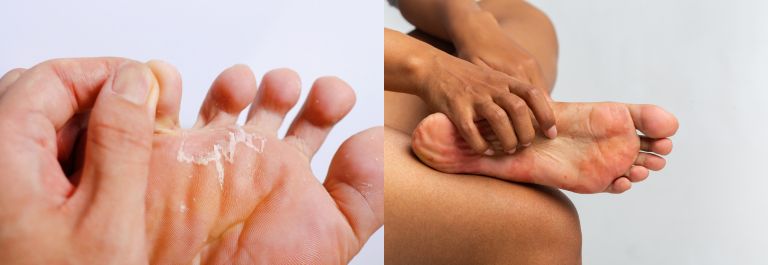

Do you ever experience tiny blisters on your hands or feet that are extremely itchy and tend to get worse once spring allergy season rolls around?
You may be experiencing a well known eczema condition known as dyshidrosis, also known as dyshidrotic eczema and with many other names as you'll see below. This type of eczema can be irritating and uncomfortable, but there are many ways to manage it.
This week, we take a deeper look into what dyshidrotic eczema is, as well as the symptoms, causes and treatment.
Please keep in mind that although these treatments can relieve eczema, we are in no way medical professionals. If you’re experiencing severe eczema symptoms like an infection, it is best to seek medical advice immediately.
What is dyshidrotic eczema?
So what is dyshidrotic eczema exactly?
This type of eczema is characterized by small, intensely itchy blisters that can appear along the edges and tips of fingers, toes, palms and the soles of the feet. These hand eczema blisters are usually filled with fluid.
Doctors may also refer to dyshidrotic eczema as:
- Cheiropompholyx
- Dyshidrosis
- Foot-and-hand eczema
- Pompholyx
- Vesicular eczema
- Palmoplantar eczema
What are the symptoms?
Aside from the intensely itchy eczema blisters on fingers, dyshidrotic eczema can also cause redness, flaking and scaly or cracked skin.
The worst symptoms tend to be around spring allergy season when irritants like pollen can cause the blisters to erupt and create even larger, more painful blisters.
Normally, open blisters take around 3 weeks to heal, but the skin can be impacted long term. Many dyshidrotic eczema suffers experience either cracked skin or their skin feels almost thick and spongy from the constant scratching.
What are the causes?
Like previously mentioned, one of the main causes for this type of eczema seems to be from seasonal allergies. Irritants in the spring, like pollen tend to wreak havoc on many individuals.
However, there are many other causes as to why someone might develop dyshidrotic eczema. Like other forms of eczema, an irritant like nickel or latex can cause the skin to react. There are also many types of foods that can cause this type of reaction.
To properly identify your type of eczema and find relief, it’s important to learn what triggers it. Our blog offers many resources on figuring out what might be causing your flare-ups.
How do you treat dyshidrotic eczema?
If you’re looking for tips on treating dyshidrotic eczema, then you’ve come to the right place. Although these suggestions have been known to work for many eczema sufferers, please know that any serious forms of eczema should be treated by your doctor.
Anti-itch treatment
To help offer relief to those stubborn, itchy blisters, you’ll want to find a balm or cream that eliminates the itch and as such decreases scratching.
A wonderful hydrating treatment for this type of eczema is this Nourish + Hydrate Manuka Balm that is extremely rich and nourishing. Not only does it contain beeswax and various hydrating oils, but the 3rd party certified Manuka honey also has anti-bacterial and anti-inflammatory properties. This is a perfect choice for dyshidrotic eczema that tends to leave open blisters and sores.

Another treatment to help relieve the itch is Emily Skin Soothers for Itchy Skin. Many eczema sufferers have found relief with this balm, as the Chinese herbs work to eliminate itchy skin, while soothing the dryness.

Scratch Mittens/Gloves
Because these little blisters are so itchy, it might be a good idea to protect your or your little one’s skin overnight. To avoid scratching during the night, mittens or gloves can be worn.
A great glove option are these Remedywear™ KIDS gloves for eczema in TENCEL and soothing zinc or try the adult gloves. Why we love them? TENCEL is softer than silk and smoother than cotton and zinc oxide is known for it's anti-inflammatory and antibacterial benefits.

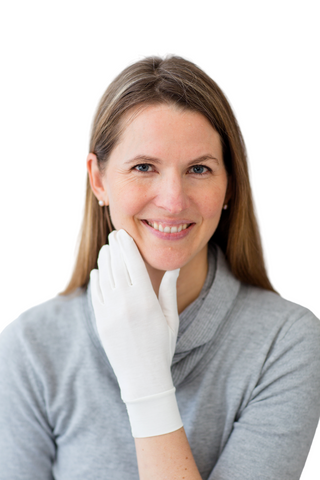
Another idea are these 100% Cotton Eczema Gloves of Kids and Eczema Gloves in Cotton for Adults that can be worn either during the day or at night to avoid scratching incessantly at the blisters.


For mittens, if your little, little one is experiencing dyshidrotic eczema, then take a look at these ScratchSleeves that include mittens that fold open for play and eating. Many eczema sufferers swear by these for their child’s eczema!

Dry or Wet Wrap Therapy
To help soothe itchy skin fast, there are many therapies you can look into. Dry Wrap Therapy is a wonderful therapy that can be used long term to help alleviate any intense itching or pain that may accompany this type of eczema. All you need is clothing to use a dry wrap and an anti-itch moisturizer like those mentioned above. Again, many people managing their eczema have found great relief with this type of therapy. To learn more about dry wrap therapy or to get started, make sure to check out our blog post about How to Dry Wrap.
For extreme cases or if dry wrap therapy is not working for you, you can always look at wet wrap therapy as well. Although this is not a long term solution, many have found relief from it as well. Like dry wrapping, all you need is a wet wrap, like the many options mentioned above for dry wrapping and an anti-itch treatment like those mentioned above. But unlike dry wrapping, you'll need to first bathe to soak the skin and then cover your skin with damp clothing wraps. To learn more about wet wrap therapy or to get started, make sure to check out our blog post Wet Wrap Therapy.
Elimination Diet
Lastly, if you do not find relief with any of the tips or recommendations offered below, you might want to take a look at whether the food you’re consuming is causing your skin to react. Sometimes removing one food can actually eliminate all eczema symptoms.
To find out how to start eliminating foods, check out our blog post on elimination diets. An elimination diet isn’t always an easy task, but it can identify a trigger that is causing your flare-up. Always make sure to work with a health practitioner when undergoing an elimiation diet to be sure all your essential nutritional needs are still met.